
Laser vs Microneedling for Acne Scars: Which Fits?
Comparing laser resurfacing and microneedling for acne scars in San Francisco: how each works, downtime, cost, and which fits your skin type and scar pattern.
Short answer: both treatments aim to make sunken acne scars less noticeable by prompting the skin to build new collagen, but they get there differently. Microneedling uses fine needles to make tiny punctures; laser resurfacing uses laser energy, and the type of laser decides how much skin is removed or heated and how long recovery takes. Neither is risk-free, and which one fits depends on your scar type, your skin tone and how much downtime you can take. Aesthetic OOGII offers microneedling with skin growth factors; it does not offer laser resurfacing.
Quick Comparison: Microneedling vs Laser Resurfacing
A side-by-side summary. Each point is explained, with its source, in the sections that follow.
| Microneedling | Laser resurfacing | |
|---|---|---|
| How it works | Fine needles make tiny punctures that prompt new collagen and elastin | Laser energy removes surface skin (ablative) or heats the collagen layer below it (non-ablative), over the full surface or in fractional columns |
| Skin tone | The AAD calls it safe for all skin tones; the FDA lists darker or lighter pigment changes as a less common risk | Darker skin tones have a greater risk of darker pigmentation (Cleveland Clinic) |
| Downtime | Redness or darkening and swelling that usually clear in a few days to a week; most people return to work right away (AAD) | About 2 to 3 days of swelling for non-ablative fractional (DermNet); up to two weeks with ablative CO2, with redness that can last months (Cleveland Clinic) |
| Sessions for acne scars | 3 to 5 treatments, every 2 to 4 weeks (AAD) | Varies by device; non-ablative treatment needs multiple sessions |
| Active acne | Scar treatment typically begins once acne is under control (AAD) | |
| At Aesthetic OOGII | Offered with skin growth factors: $300 for 60 minutes, $700 for 3 sessions | Not offered; ask a dermatologist for a written quote |
How Acne Scars Form, and Why Treatment Choice Matters
Acne scars aren't all the same, and that's the first thing that gets lost in generic "laser vs. microneedling" comparisons. DermNet describes most acne scars as atrophic (sunken), in three main shapes: icepick scars (narrow, deeper than they are wide, with a sharp edge), boxcar scars (wider round or oval depressions with distinct edges) and rolling scars (wide, with a sloping edge that can be smoothed out if stretched). Less often scars are raised — hypertrophic or keloid — where the body made too much collagen.
Each pattern can need a different approach. The American Academy of Dermatology (AAD) notes that "ice pick scars require different treatment than rolling scars", and that a dermatologist building a plan considers the type and number of scars, your age and skin tone, your budget and more. For sunken scars, the AAD lists chemical peels, fillers, laser treatment, microneedling, radiofrequency and acne scar surgery among the options, and says more than one may be combined. That is why an in-person assessment matters more than a generic online guide.
Skin tone is the other major factor. With laser resurfacing, Cleveland Clinic notes that people with darker skin tones have a greater risk of healing with darker pigmentation (hyperpigmentation), and DermNet advises extreme caution with ablative lasers on darker skin because pigment loss or variable pigmentation may occur long term. The AAD describes microneedling as safe for all skin tones — but the FDA still lists pigment changes, both darker and lighter, among its less common risks. The risks differ between the two treatments; neither is free of them.
How Microneedling Works for Acne Scars
Microneedling uses a device with fine needles to puncture the skin. The AAD explains that this causes the body to produce new collagen and elastin — which is why it is also called collagen induction therapy — and that the new collagen helps diminish acne scars. Results appear gradually as the collagen forms: the AAD says you may see improvement within a few weeks, and that it usually takes several months to see full results.
At Aesthetic OOGII, the menu lists microneedle treatments with skin growth factors: $300 for a 60-minute session, or $700 for a 3-session package. The menu describes microneedling as something that "can be enhanced with growth factors"; which product is used and how it is applied are details to ask about at your consultation. The benefit of adding growth factors has not been established by the sources cited here, so judge the treatment on the microneedling itself.
Scarring is usually treated as a series rather than a single session. For acne scars, the AAD says you may need 3 to 5 treatments, performed every 2 to 4 weeks, and reports studies in which that plan faded acne scars by 50% to 70%. Cleveland Clinic gives a wider spacing of about 3 to 8 weeks between treatments and says it can take 3 to 6 months to see results. Your own plan depends on your scars.

Choosing between treatments starts with an assessment of your scar type and skin tone.
How Laser Resurfacing Works for Acne Scars
Laser resurfacing is not one treatment. Two separate distinctions matter:
- Ablative vs. non-ablative. DermNet explains that ablative lasers work mainly on the surface skin cells, removing them, while non-ablative lasers heat the collagen in the middle layer of skin and avoid damaging the surface. Ablative CO2 and erbium:YAG lasers are absorbed by water in the skin; DermNet notes they have been successful in reducing facial wrinkles, acne scars and sun damage, but with a long recovery time and side effects that include redness, swelling and pigment changes. Non-ablative treatment needs multiple sessions.
- Fractional vs. full-surface. A fractional laser treats thousands of microscopic columns of skin at a time and leaves the skin between them untouched. Fractional devices can be non-ablative (the first one marketed used a non-ablative 1550-nm wavelength) or ablative (fractional CO2 and erbium). DermNet notes ablative fractional lasers are more aggressive than non-ablative ones, so recovery takes a little longer.
As the skin heals after resurfacing, the AAD says it produces collagen and elastin, which can diminish the appearance of scars, and that some lasers need more treatment sessions than others. What the laser targets also differs by device: DermNet explains that infrared resurfacing lasers are absorbed by water in skin cells, while melanin — skin pigment — absorbs light across a broad range of wavelengths. That is part of why skin tone affects pigment risk even with lasers that are not aimed at pigment.
Aesthetic OOGII doesn't offer laser resurfacing. Its acne-scar options are microneedling with skin growth factors for sunken scarring, and chemical peels ($300) and the IPL photofacial ($300) for flat post-acne marks, alongside clinical acne treatment for active breakouts. If laser resurfacing is on your list, a dermatologist is the right place to ask.
Cost Comparison: Microneedling vs Laser in San Francisco
At Aesthetic OOGII, a single microneedling session with skin growth factors costs $300 and runs 60 minutes. The 3-session package is $700, which works out to about $233 a session. Packages are non-refundable and must be redeemed within a calendar year, according to the studio's policy page.
We have not found a reliable, current price survey for laser resurfacing in San Francisco, so we don't quote one here. Ask a dermatology clinic for a written quote for your scars, including how many sessions it expects — the AAD notes that some lasers need more sessions than others — and what aftercare products and follow-up visits are included.
Budget time as well as money. Downtime differs a great deal between microneedling and the various laser types (see the recovery section below), and that can matter as much as the price if you cannot take time away from work.
Insurance is unlikely to help either way: the AAD's acne-scar guidance says that medical insurance does not cover the cost of acne scar treatment.
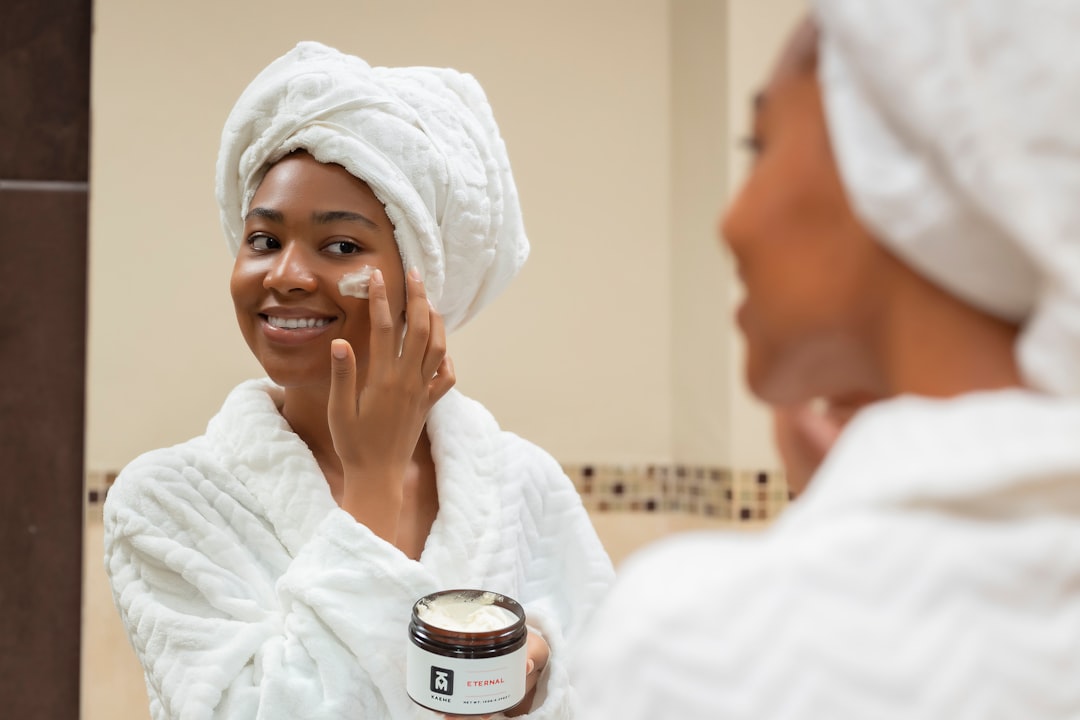
Aftercare matters with either treatment; follow the instructions your provider gives you.
Which Treatment Fits Your Scar Type and Skin Tone
The right choice comes down to a few questions: what kind of scarring you have, your skin tone, how much downtime you can take, and your budget. There is no single rule that assigns a scar type to one treatment; the AAD's guidance is that a dermatologist tailors a plan and may combine treatments. What the sources above do support is this:
- Microneedling is described by the AAD as safe for all skin tones, with short downtime, and is used across sunken acne scars.
- Laser resurfacing covers a range of devices, from non-ablative to fully ablative, with longer recovery at the ablative end and a greater risk of darker pigmentation in darker skin tones (Cleveland Clinic).
- Deep or sharply pitted scars, including icepick scars, need a specialist's assessment; options such as acne scar surgery and fillers sit alongside lasers and microneedling in the AAD's list.
Active acne is another factor. The AAD says a dermatologist will wait to perform microneedling if you have pimples that feel painful, contain pus or go deep into your skin, and its acne-scar guidance says scar treatment typically begins once acne is under control. If you're still getting regular breakouts, treat the acne first, with a dedicated acne treatment plan or a dermatologist, before moving to scar-specific treatment. The AAD also asks you to tell the dermatologist about all acne treatments used within the last two years, because starting some scar treatments while using, or soon after stopping, certain acne medications can cause side effects; for microneedling, at least one month must have passed since your last isotretinoin pill.
Combination approaches exist too. This is exactly the kind of decision that benefits from an in-person skin assessment rather than guessing from a chart online. Every Aesthetic OOGII client is offered a complimentary consultation with Oogii that includes a skin assessment.
What to Expect During Recovery
Recovery timelines are one of the most practical differences between these two treatments. After microneedling, the AAD says treated skin may look red (lighter skin tones) or darker (darker skin tones) and may feel sunburned, with minor discomfort, burning or swelling that usually disappears in a few days to a week; most people can return to work or school right away. Cleveland Clinic adds that skin may be red and swollen for up to five days, that some people have dry, flaking skin, and that most people can wear makeup the day after. The FDA lists peeling, bruising, crusting and, less commonly, pigment changes among possible reactions. Your recovery may not match someone else's.
Laser resurfacing recovery depends on the laser. For a non-ablative fractional treatment, DermNet describes minimal swelling that should resolve in 2–3 days and a pinkish tone for 3–5 days. For ablative lasers, Cleveland Clinic gives recovery of up to two weeks with CO2 and about one week with erbium or fractional CO2, notes that treated areas generally heal in five to 21 days, and says redness can take two to three months — sometimes much longer — to fade. Sun protection matters in every case.
For both treatments, patience matters. Collagen remodeling isn't instant, and the improvement in scar texture builds over weeks to months. Results also do not last forever: the AAD notes that microneedling results fade as the body loses collagen.
FAQ: Laser vs Microneedling for Acne Scars
Is microneedling or laser better for acne scars?
Neither is better for everyone. Both can help sunken acne scars. The choice depends on your scar type, skin tone, downtime and budget, and dermatologists often combine treatments. Ablative lasers carry longer recovery, and darker skin tones have a greater risk of darker pigmentation after laser resurfacing.
How many microneedling sessions are needed for acne scars?
The American Academy of Dermatology says you may need 3 to 5 treatments for acne scars, performed every 2 to 4 weeks. Aesthetic OOGII's menu offers single sessions at $300 and a 3-session package at $700; how many you need depends on your scars.
Is microneedling safe for darker skin tones?
The American Academy of Dermatology describes microneedling as safe for all skin tones. It is not risk-free: the FDA lists pigment changes, both darker and lighter, among its less common risks, so mention any history of post-inflammatory darkening at your consultation.
Can I get laser treatment for acne scars at Aesthetic OOGII?
No. Aesthetic OOGII does not offer laser resurfacing. Its scar options are microneedling with skin growth factors for sunken scarring, and chemical peels and the IPL photofacial for flat post-acne marks. Deep ice-pick scars are better assessed by a dermatologist.
Does microneedling hurt?
Cleveland Clinic says you might feel warmth or a scratching sensation, with some discomfort near bony areas such as the cheekbones, and describes the provider applying a numbing cream or ointment beforehand. Ask your provider how they handle comfort before your session.
About the author
Oogii
Certified Medical & Clinical Aesthetician, Aesthetic OOGII
Certified medical and clinical aesthetician, owner of Aesthetic OOGII, a clinical skincare and medical aesthetics practice at 450 Sutter St in downtown San Francisco.