
Laser vs Microneedling for Acne Scars
Comparing laser resurfacing and microneedling for acne scars in San Francisco: how each works, downtime, cost, and which fits your skin type and scar pattern.
Short answer: Microneedling rebuilds collagen from within the skin using tiny needles, making it a safer, lower-downtime option for most acne scar types and most skin tones. Laser resurfacing removes and resurfaces the outer skin layer with light energy, and while it can produce dramatic results on certain scar types, it carries more downtime and a higher risk of pigmentation problems on medium-to-dark skin. At Aesthetic OOGII, we offer microneedling with skin growth factors as our primary acne-scar treatment for these reasons, and we'll walk you through why below.
How Acne Scars Form, and Why Treatment Choice Matters
Acne scars aren't all the same, and that's the first thing that gets lost in generic "laser vs. microneedling" comparisons. Inflammatory acne, especially cystic breakouts, damages the collagen structure underneath your skin as it heals. Depending on how your body repairs that damage, you end up with one of a few scar patterns: icepick scars (narrow, deep pits), boxcar scars (wider depressions with defined edges), rolling scars (shallow waves that give skin an uneven texture), or hypertrophic and keloid scars (raised, thickened tissue).
Each pattern responds differently to treatment. Rolling and mild boxcar scars, which make up the bulk of what most people are actually dealing with, respond well to treatments that stimulate collagen remodeling from underneath, which is exactly what microneedling does. Deeper icepick scars or significant textural damage sometimes need a combination approach, which is why an in-person consultation matters more than a generic online guide.
Skin tone is the other major factor. Fitzpatrick skin types IV-VI (medium to deep skin tones) carry a meaningfully higher risk of post-inflammatory hyperpigmentation from heat-based treatments like ablative lasers. Microneedling, because it doesn't rely on heat or light to work, is generally considered the safer starting point across a wider range of skin tones. This is one of the biggest reasons estheticians in diverse cities like San Francisco tend to recommend microneedling first and reserve laser treatments for specific, carefully selected cases.
How Microneedling Works for Acne Scars
Microneedling uses a device with fine needles to create hundreds of controlled micro-injuries in the skin. Your body responds to this "controlled damage" the same way it responds to any wound: by producing new collagen and elastin to repair it. Over several weeks, that new collagen fills in and smooths out the depressions left by old acne scars.
At Aesthetic OOGII, our microneedling treatments use added skin growth factors, which are applied to the skin during the procedure so they can penetrate through the micro-channels created by the needles. This speeds up healing and enhances the collagen-building response compared to microneedling alone. A single session runs 60 minutes and costs $300, and most clients see meaningful improvement over a series of 3 sessions, which we offer as a package for $700.
Downtime is mild: expect redness and slight sensitivity for 24-48 hours, similar to a light sunburn, with normal activities resuming the next day for most people. You won't see final results after just one pass. Collagen remodeling is a gradual process, so results build over 4-6 weeks after each session, and a full series is usually spaced 4-6 weeks apart to let each round of healing finish before the next treatment.
Microneedling works on nearly all skin tones because it doesn't rely on heat or targeted light wavelengths that can be absorbed differently by different pigment levels. That makes it a dependable first-line option, whether you're treating shallow rolling scars or the early stages of textural damage from cystic acne.
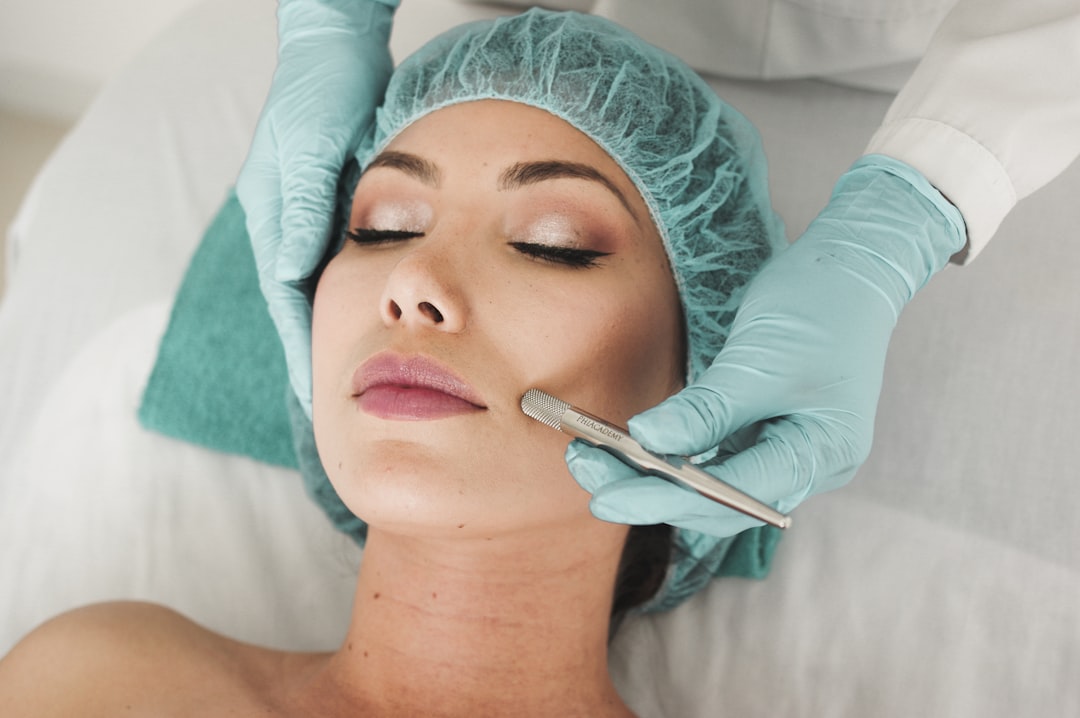
Microneedling with skin growth factors stimulates collagen from within the skin to smooth acne scar depressions.
How Laser Resurfacing Works for Acne Scars
Laser resurfacing uses concentrated light energy instead of physical needles to treat scarred skin. Ablative lasers remove the outer layer of skin entirely, prompting fresh skin to regenerate underneath. Non-ablative and fractional lasers work more gently, heating deeper tissue without destroying the surface layer, which shortens recovery time but generally requires more sessions to see comparable results.
Laser treatments can produce strong results on certain scar types, especially deeper boxcar and icepick scars where the goal is to physically resurface uneven texture rather than just stimulate collagen from below. The tradeoff is real, though: ablative lasers come with 5-10 days of visible downtime, including redness, swelling, and peeling, and the recovery window for full results can stretch to several months as new skin matures.
Skin tone risk is the biggest limiting factor with laser treatments. Because lasers rely on light being absorbed by pigment and heat in the skin, medium and deep skin tones face a meaningfully higher risk of post-inflammatory hyperpigmentation or, in rare cases, permanent lightening of the treated area. This is a well-documented limitation in dermatology, and it's the main reason many San Francisco clinics, including ours, are selective about who is a good laser candidate and lean toward microneedling as the safer default across our diverse client base.
Aesthetic OOGII doesn't currently offer ablative laser resurfacing. We focus on acne and acne-scar treatments that deliver strong, safe results across the range of skin tones we see in San Francisco, primarily microneedling with growth factors and our clinical peel treatments, which we'll cover next.
Cost Comparison: Microneedling vs Laser in San Francisco
At Aesthetic OOGII, a single microneedling session with skin growth factors costs $300 and runs 60 minutes. Because most people need a series to see full results, we offer a 3-session package for $700, which brings the per-session cost down compared to booking individually. Most clients complete 3-6 sessions total depending on scar severity, spaced 4-6 weeks apart.
Laser resurfacing pricing across San Francisco med spas and dermatology clinics generally runs higher than microneedling, often landing in the $600-$1,500+ range per session for fractional or ablative treatments, with some full-face ablative procedures priced even higher due to the anesthesia and recovery support involved. Multiple sessions are typically needed for non-ablative laser types, while a single ablative session can sometimes produce dramatic results but with significant downtime and cost concentrated up front.
When you add up a full treatment course, microneedling is usually the more accessible option, both financially and in terms of time away from work or normal activities. That's a meaningful factor for anyone who can't take a week off for recovery, or who wants to budget a scar-treatment plan out over a few months rather than one large upfront cost.
Neither treatment is typically covered by insurance since acne scarring is considered a cosmetic concern rather than a medical one, so the direct comparison of session cost, series length, and downtime is what most people end up weighing when they decide.
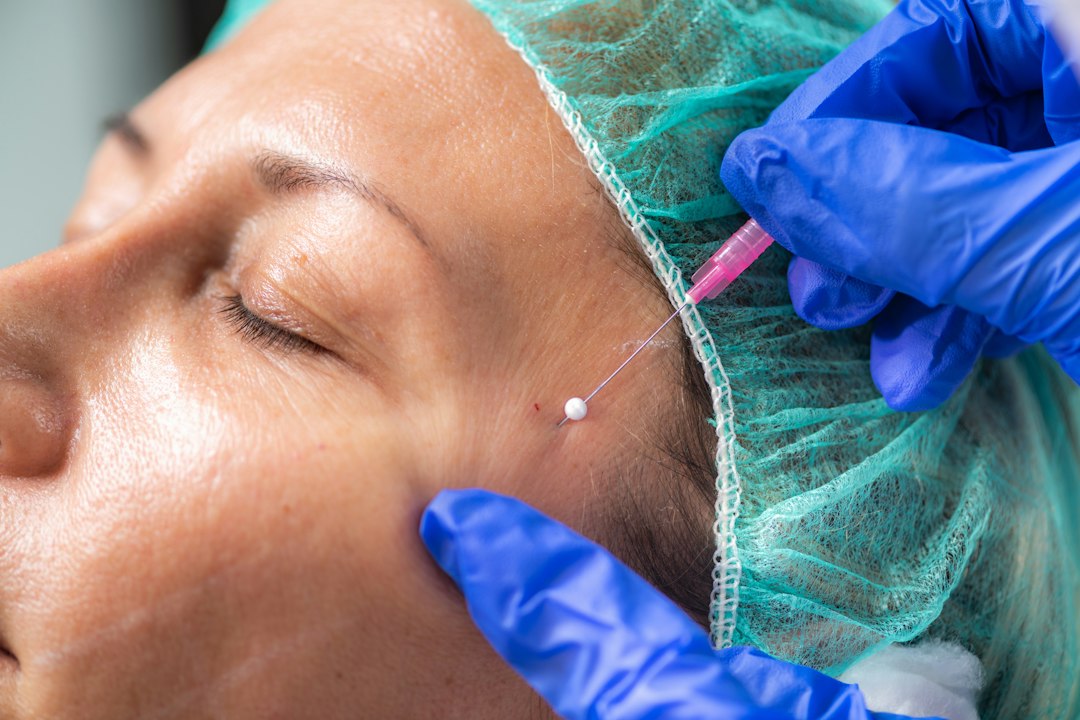
Laser resurfacing can address deep textural scars, but downtime and pigmentation risk run higher than with microneedling.
Which Treatment Fits Your Scar Type and Skin Tone
The right choice comes down to two questions: what kind of scarring do you have, and what's your skin tone? If you're dealing with shallow rolling scars, mild boxcar scars, or general textural unevenness from past breakouts, microneedling is usually the better starting point. It's gentler, has a much shorter recovery window, and works well across a wide range of skin tones without the pigmentation risk that comes with heat-based treatments.
If your scarring is deep, sharply defined, or laser is being recommended specifically to resurface a stubborn textural pattern, and you have lighter skin with lower pigmentation risk, laser resurfacing might be worth discussing with a dermatologist. That said, many people who think they need laser treatment actually see strong improvement from a full microneedling series before ever considering something more aggressive.
Active acne is another factor. Microneedling is generally better tolerated on skin that's still breaking out because it doesn't add the extra heat and inflammation that laser treatments introduce. If you're still getting regular breakouts, treating the acne itself first, whether that's with a dedicated acne treatment plan or a series of clinical peels, sets up better results once you move to scar-specific treatment.
Combination approaches exist too. Some clients do a microneedling series first to build a collagen foundation, then revisit whether a more targeted treatment makes sense for any remaining deep scars. This is exactly the kind of decision that benefits from an in-person skin consultation rather than guessing from a chart online.
What to Expect During Recovery
Recovery timelines are one of the most practical differences between these two treatments, and they matter a lot when you're planning around work, events, or just daily life. With microneedling, most people see redness similar to a mild sunburn for 24-48 hours, and makeup can typically be worn again the next day. There's no peeling phase and no visible "recovery" that others would necessarily notice.
Laser resurfacing recovery looks different depending on the type of laser. Non-ablative fractional lasers might only cause mild redness for a day or two, similar to microneedling. Ablative lasers are a different story: expect 5-10 days of visible redness, swelling, and peeling as the treated skin sheds and regenerates, plus weeks of pink or sensitive-looking skin as it fully settles. Sun protection becomes critical during this window since new skin is especially vulnerable to UV damage and pigment changes.
For both treatments, patience matters. Collagen remodeling isn't instant. Whether you choose microneedling or laser, the visible improvement in scar texture builds gradually over weeks to months, not overnight. That's part of why a series of treatments, spaced appropriately, tends to outperform a single big procedure for most people chasing long-term scar improvement.
If you're currently dealing with active breakouts alongside old scarring, it's worth treating both. A full treatment plan that addresses active acne first, then moves into scar-focused microneedling, tends to produce more consistent results than jumping straight to scar treatment while breakouts are still happening.
Frequently Asked Questions
Is microneedling or laser better for acne scars?
For most rolling and mild boxcar scars, microneedling is the better starting point because it works across a wider range of skin tones with far less downtime. Laser resurfacing can be more effective for deep, sharply defined scars in lighter skin tones, but it carries more risk and recovery time.
How many microneedling sessions are needed for acne scars?
Most clients need 3-6 sessions spaced 4-6 weeks apart to see meaningful improvement. Aesthetic OOGII offers a 3-session package for $700, which covers the minimum series most people need to start seeing visible texture changes.
Is microneedling safe for darker skin tones?
Yes. Because microneedling doesn't rely on heat or light absorption by pigment, it carries a much lower risk of post-inflammatory hyperpigmentation compared to laser treatments, making it a safer default across a wide range of skin tones.
Can I get laser treatment for acne scars at Aesthetic OOGII?
Aesthetic OOGII does not currently offer ablative laser resurfacing. We focus on microneedling with skin growth factors and clinical peel treatments, which address most acne scar types safely and effectively for our San Francisco clients.
Does microneedling hurt?
Most clients describe the sensation as mild discomfort rather than pain, similar to light scratching or vibration. A numbing agent is typically applied before the session to keep the treatment comfortable throughout.
Quick Comparison: Microneedling vs Laser Resurfacing
Here's a side-by-side breakdown of the key differences to help you decide which treatment fits your situation:
- Best for scar type: Microneedling suits shallow rolling and mild boxcar scars; laser suits deep, sharply defined boxcar and icepick scars.
- Skin tone safety: Microneedling is safe across nearly all Fitzpatrick skin types; laser carries higher pigmentation risk on medium-to-dark tones.
- Downtime: Microneedling needs 24-48 hours; ablative laser needs 5-10 days of visible peeling and redness.
- Cost per session: Microneedling costs $300 at Aesthetic OOGII ($700 for a 3-session package); laser typically runs $600-$1,500+ per session at San Francisco clinics.
- Sessions typically needed: Microneedling usually takes 3-6 sessions; laser can range from 1 ablative session to 3-5 non-ablative sessions.
- Active acne compatibility: Microneedling is generally better tolerated during active breakouts; laser is usually deferred until acne is under control.
If you're still unsure which path fits your scarring, an in-person consultation lets an esthetician assess your specific scar pattern and skin tone before recommending a treatment plan.
About the author
Oogii
Certified Medical & Clinical Aesthetician, Aesthetic OOGII
Certified medical and clinical aesthetician, owner of Aesthetic OOGII, a clinical skincare and medical aesthetics practice at 450 Sutter St in downtown San Francisco.