
Facial Redness & Rosacea in SF: Which Treatment
Rosacea redness has several causes and several treatments. What dermatologists say about prescription gels, IPL and daily skin care, with SF prices.
Why Facial Redness Doesn't Just Go Away
Facial redness has more than one cause, which is why a single product or a single treatment rarely settles it for everyone. Rosacea is one common cause; irritated or reactive skin, a damaged skin barrier and other skin conditions can also leave the face pink. The American Academy of Dermatology (AAD) notes that a dermatologist diagnoses rosacea by examining your skin and eyes, so if you have not had a diagnosis, that is a sensible first step before choosing any treatment, including a light-based one.
The National Rosacea Society estimates rosacea affects more than 16 million Americans. According to the AAD's description of its signs, rosacea often begins with a tendency to flush easily, and as it progresses the redness can remain for weeks, months or longer. On lighter skin tones, people may also see blood vessels on the cheeks or nose; the AAD notes these are difficult to see on darker skin tones.
Those different signs matter because they call for different tools. The AAD's treatment overview lists several: prescription gels and creams, laser or light treatments for visible blood vessels, and daily skin care and trigger avoidance as part of every plan. No single option covers every kind of redness, and reading a list of what each one is for is the quickest way to stop buying products for a problem they were never designed to treat.
Which Treatment Fits Which Kind of Redness
The AAD's rosacea treatment page separates the options by the sign being treated:
- Persistent redness: the AAD describes two prescription medications, brimonidine and oxymetazoline, applied to the skin. It says both can fade the persistent color for up to 12 hours, with the effect peaking about 3 to 6 hours after applying and the color gradually returning afterward. These are prescribed by a doctor.
- Acne-like bumps: the AAD says azelaic acid can effectively treat acne-like breakouts, and describes metronidazole as an antibiotic you apply to your skin for them.
- Visible blood vessels: the AAD lists laser or light treatments, or electrodesiccation, which uses small electric needles.
- Everyone with rosacea: "Skin care is an essential part of every rosacea treatment plan," the AAD says, including a gentle cleanser, moisturizer and sunscreen, along with tips to avoid what triggers your flare-ups.
So a cream is not "useless" for redness, and a light treatment is not the answer for every red face. Topical prescription medications and light-based treatments work on different signs, on different timescales, and a dermatologist may combine them. For what the studio itself offers for each kind of redness, see the facial redness treatment page.
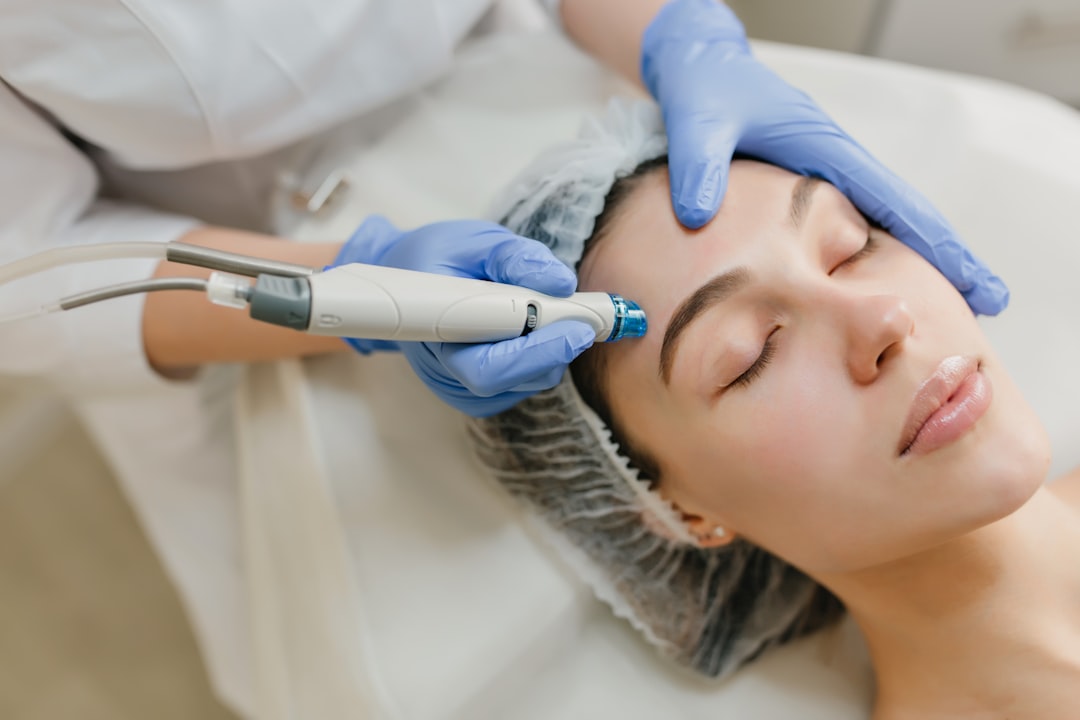
Photo: Look Studio / Unsplash
How IPL Works on Visible Vessels
Intense Pulsed Light (IPL) is one of the light-based options. DermNet explains that the light energy is absorbed by target cells with colour (chromophores) in the skin; for vascular lesions, the light pulses target the red pigment (haemoglobin) in the blood, which heats and destroys it. Aesthetic OOGII's menu describes its IPL Photofacial as using intermittent flashes of light rather than a beam of constant brightness, with the light spread out a little more.
For visible blood vessels, the AAD's laser and light therapy page reports that, when laser or light treatment is used for visible blood vessels, most patients see a 50% to 75% reduction after 1 to 3 treatments, with appointments usually 3 to 4 weeks apart, and that some people see a 100% reduction. That figure covers lasers and light treatments together; the page does not give a separate number for IPL. It is not a promise about any one person's skin. The AAD gives no IPL figure for persistent background redness at all: its only number there comes from a few small studies that used lasers, and it says more research is needed because those studies used different lasers and exposure times.
At Aesthetic OOGII, the IPL Photofacial is listed at $300 for a 75-minute session, and there is a 3-session package at $650. If you are comparing providers, reasonable questions to ask include what the device is, how settings are chosen for your skin, and what they expect for your particular type of redness.
Is Rosacea Redness Permanent?
The AAD describes rosacea as something that can progress: flushing often comes first, and later the redness may remain for weeks, months or longer. For vessels that have been treated with lasers or light, the AAD reports that results tend to last 3 to 5 years; treated blood vessels don't reappear, but new ones can form. That is why dermatologists pair treatment with ongoing skin care, sun protection and trigger avoidance rather than treating it as a one-time fix.
How long you have had redness does not, on its own, tell you what is causing it or which treatment you need. A dermatologist's diagnosis sorts that out. If your redness comes with bumps, thickening skin, or anything affecting your eyes (the AAD notes a dermatologist examines the eyes as well as the skin), raise it at a medical appointment rather than trying to manage it alone.
Do Home Remedies and Calming Products Help?
Gentle daily care is part of the AAD's plan for every person with rosacea, not a lesser substitute. Its rosacea skin care tips are specific:
- Cleanse gently: a mild, rosacea-friendly cleanser (not soap), applied with your fingertips and rinsed with warm water
- Moisturize after cleansing to hydrate skin and restore essential lipids
- Protect from the sun: broad-spectrum sunscreen, SPF 30 or higher, water resistant
- Check labels: the AAD lists alcohol, camphor, fragrance, glycolic acid, lactic acid, menthol, sodium lauryl sulfate and urea as ingredients to avoid
- Skip exfoliating: "If you exfoliate your skin, stop."
What gentle care will not do, by the AAD's own description, is remove visible blood vessels; that is where laser, light or electrodesiccation comes in. And what it cannot replace is a prescription for persistent redness or bumps when a dermatologist thinks you need one. If you want to try a soothing mask or serum, check its label against the AAD's avoid list and try it on a small area first.
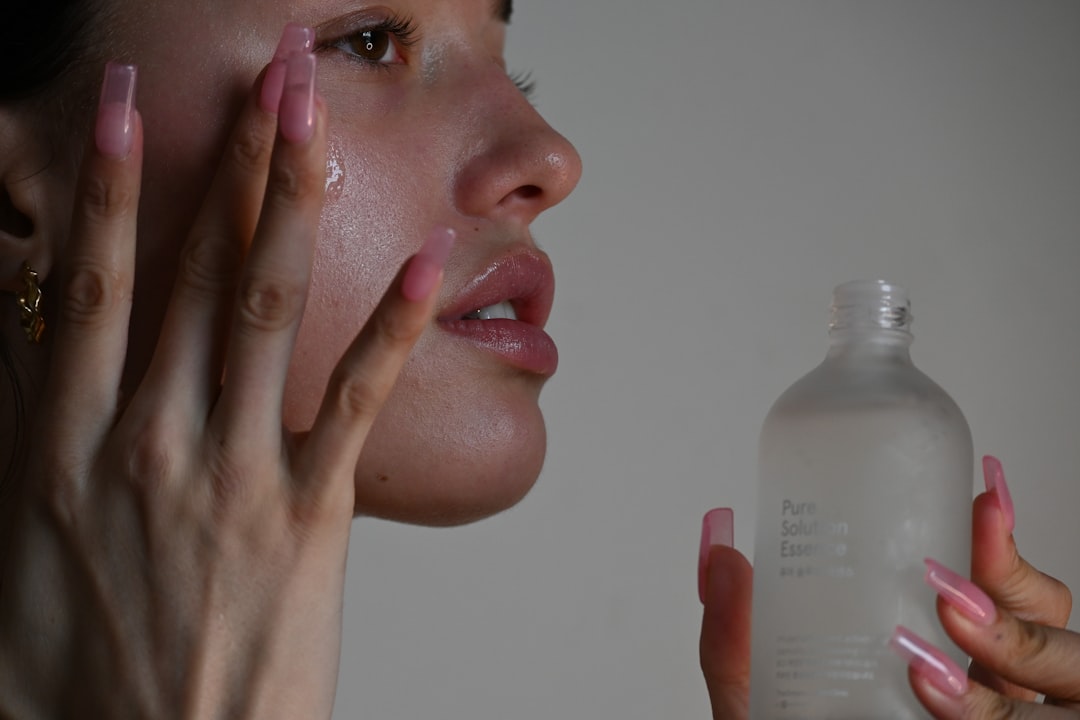
Photo: Laura Jaeger / Unsplash
Before and After an IPL Session: What the Sources Say
According to DermNet, the sensation of IPL has been likened to a light pinch or the snap of a rubber band, but some people find it distressing; contact cooling and, if necessary, topical anaesthetic are used to manage pain. The AAD notes that during laser or light treatment for rosacea, some patients experience skin tightening, itch or pain.
Afterward, DermNet says skin can turn pink and a little sore, with a sensation of mild sunburn (redness, peeling, swelling) that may last a few days, and most people can return to work immediately. The AAD lists temporary redness that fades within 2 weeks, and sometimes a rash of purple or red spots that tends to clear in 1 to 2 weeks; it says scarring is rare in skilled hands.
Two cautions from those sources are worth taking seriously. First, sun: DermNet advises avoiding sun exposure in the days and weeks before and after treatment, and the AAD says staying out of the sun helps prevent permanent scars. Second, pigment: DermNet notes that pigment cells can sometimes be damaged, leaving darker or paler patches of skin. Tell your provider about a recent tan, your skin tone, any medications and any history of pigment changes, and ask how the treatment settings take them into account.
Questions to Bring to a Consultation
A consultation is the place to match your redness to a plan. Useful things to discuss:
- Whether you have a rosacea diagnosis, and whether you are using any prescription products for it
- Which signs bother you most: flushing, redness that stays, visible vessels or bumps
- Your known triggers, recent sun exposure and any skincare actives you use
- Whether IPL is suitable for your skin type and tone, and how many sessions the provider suggests
- What aftercare and sun protection they recommend
If you have other concerns alongside redness, bring them up too. For a longer look at IPL pricing and what a session involves, see our IPL Photofacial in San Francisco page.
FAQ: Facial Redness and Rosacea
Does topical azelaic acid replace the need for in-office treatment?
They are aimed at different signs. The AAD describes azelaic acid as effective for rosacea's acne-like breakouts, while it lists laser or light treatments and electrodesiccation for visible blood vessels. A dermatologist can tell you which signs you have and which options fit.
Can a cream reduce persistent redness at all?
Yes. The AAD describes two prescription medications, brimonidine and oxymetazoline, that can fade persistent rosacea color for up to 12 hours after application. They need a prescription, and the color gradually returns as the effect wears off.
How many IPL sessions does rosacea redness usually need?
For visible blood vessels, the AAD reports that most patients see a 50% to 75% reduction after 1 to 3 laser or light treatments, spaced 3 to 4 weeks apart; it does not give a separate figure for IPL. It gives no IPL estimate for persistent background redness, so ask the provider what they expect for your type of redness. At Aesthetic OOGII a single IPL Photofacial is $300 and a 3-session package is $650.
Is IPL painful?
DermNet says the sensation has been likened to a light pinch or the snap of a rubber band, but some people find it distressing. Contact cooling and, if necessary, topical anaesthetic are used to manage discomfort.
What's the difference between rosacea and ordinary flushing?
Anyone can flush from heat or exercise. The AAD describes rosacea as often beginning with a tendency to flush easily, and as it progresses the redness can remain for weeks, months or longer. Only an examination can tell which you have.
Can I keep my skincare routine around IPL?
Tell your provider exactly what you use, especially actives, and follow the instructions you are given. Daily broad-spectrum sunscreen, SPF 30 or higher, is part of the AAD's rosacea skin care advice, and both the AAD and DermNet stress sun avoidance around light treatment. Current pricing for IPL and related treatments is on our treatment menu.
The Numbers Behind Rosacea and Redness Treatment
The National Rosacea Society estimates more than 16 million Americans have rosacea, and the AAD notes the likelihood rises from age 30. For laser and light treatment, the American Academy of Dermatology reports figures for visible blood vessels treated with lasers or light; its only figure for permanent background redness comes from small laser studies, not IPL.
- Typical course for visible vessels, lasers or light (AAD): 1 to 3 treatments, most patients seeing a 50% to 75% reduction
- Permanent background redness (AAD, a few small laser studies, not IPL): about a 20% reduction for most patients, with more research needed
- Spacing between sessions (AAD): 3 to 4 weeks
- How long results last for vessels (AAD): 3 to 5 years; treated vessels don't reappear, but new ones can form
- Prescription gels for persistent redness (AAD): effect up to 12 hours per application
- IPL Photofacial at Aesthetic OOGII: 75 minutes, $300, or $650 for three sessions
These numbers set expectations before you start: different signs respond to different treatments, the AAD has no IPL figure for background redness, and results for vessels need sun protection and ongoing care to hold.
About the author
Oogii
Certified Medical & Clinical Aesthetician, Aesthetic OOGII
Certified medical and clinical aesthetician, owner of Aesthetic OOGII, a clinical skincare and medical aesthetics practice at 450 Sutter St in downtown San Francisco.