
Microneedling Recovery & Results: A Week-by-Week Guide
What microneedling with growth factors treats, session cost in SF, downtime, and results timeline for acne scars and fine lines.
What Is Microneedling with Growth Factors?
Microneedling is a clinical treatment that uses tiny needles to create controlled micro-injuries in your skin. Think of it as triggering your skin's repair mode on purpose. The body responds by flooding the area with collagen and elastin — the proteins that keep skin firm and smooth.
At Aesthetic OOGII, we pair microneedling with skin growth factors — bioactive proteins that accelerate healing and amplify collagen production. While the needles create channels in your skin, the growth factors penetrate deeper than they ever could from a topical serum alone. This combination is what separates professional microneedling from at-home dermarollers.
The treatment targets texture issues, shallow acne scars, fine lines, enlarged pores, and dull skin. You won't see Botox-level changes overnight, but after 3-4 sessions spaced a month apart, most people notice smoother texture, smaller pores, and a more even tone. It's a workhorse treatment for people who want gradual, natural-looking improvement without injectables.
Microneedling works on all skin types, but it's especially popular with clients in their 30s and 40s who are starting to see early signs of aging — fine lines around the eyes, rough texture, or sun damage from years of Bay Area outdoor living.
What Microneedling Treats (And What It Doesn't)
Microneedling is best for surface-level texture problems. It won't erase deep scars or eliminate wrinkles, but it's excellent at smoothing out mild to moderate issues that make your skin look tired or uneven.
What It Improves
- Acne scars — Shallow rolling or boxcar scars respond well. The collagen buildup gradually fills in depressed areas over 2-3 months.
- Fine lines — Crow's feet, forehead lines, and lip lines soften as new collagen plumps the skin from underneath.
- Enlarged pores — Collagen production around pore walls tightens them, making pores look smaller.
- Rough texture — Uneven skin from sun damage, dryness, or aging gets smoother after each session.
- Dull tone — Increased cell turnover brings fresh skin to the surface, giving you a subtle glow.
- Hyperpigmentation — Light spots and melasma can fade when combined with brightening serums applied during treatment.
What It Can't Fix
Deep ice-pick acne scars usually need laser resurfacing or subcision. Active acne should be under control before you start microneedling — treating inflamed skin can spread bacteria and make breakouts worse. If you're looking for volume loss correction (hollow cheeks, deep nasolabial folds), you'll get better results from fillers. Microneedling builds collagen, but it won't replace lost facial fat.
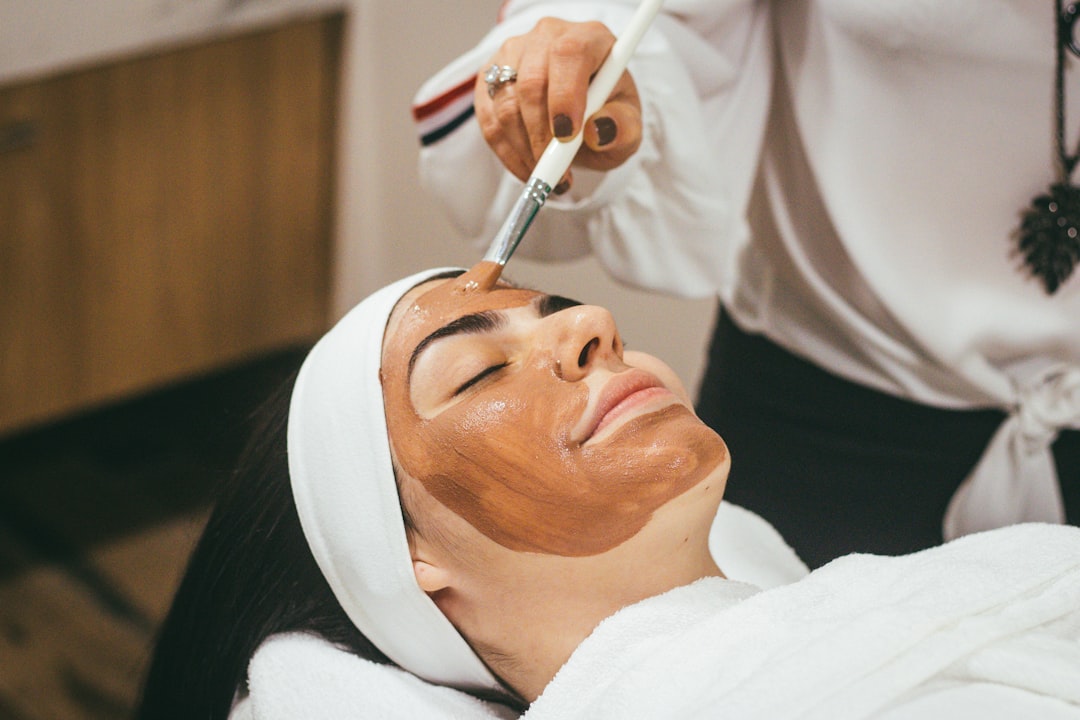
Photo by Rosa Rafael on Unsplash
Results Timeline: What to Expect Week by Week
Microneedling results don't appear overnight. The treatment jumpstarts your body's collagen production, and that process takes weeks. Here's what most clients experience:
Week 1: Healing Phase
Your skin looks pink or red immediately after treatment, like a mild sunburn. This fades within 24-48 hours for most people. Some clients notice light flaking or dryness around day 3-5 as the top layer of damaged skin sheds. Don't pick at it — let it come off naturally while you stick to gentle cleansers and a good moisturizer.
Weeks 2-4: Early Glow
Around week 2, your skin starts to look brighter and smoother. Pores appear smaller, and makeup goes on more evenly. This is new collagen starting to fill in texture irregularities. The improvement is subtle but noticeable if you're paying attention.
Months 2-3: Peak Results
The real magic happens 6-12 weeks after your session. Collagen production peaks during this window, so acne scars look shallower, fine lines soften, and overall texture continues to improve. This is when clients usually come in for their second or third session to build on the progress.
Long-Term Maintenance
Most dermatologists recommend 3-4 sessions spaced 4-6 weeks apart for significant improvement, then maintenance sessions every 6-12 months. Collagen production slows as you age, so periodic touch-ups keep your skin looking its best. If you're treating stubborn acne scars, you might need 4-6 sessions to see the full benefit.
Cost of Microneedling in San Francisco
In San Francisco, expect to pay $250-$600 per session depending on the clinic, the depth of treatment, and what's included. At Aesthetic OOGII, a single microneedling session with skin growth factors starts at $300. We offer package pricing for multiple sessions, which brings the per-treatment cost down if you're committed to a full series.
Here's how pricing typically breaks down across the city:
- Budget med spas — $200-$300 per session, often without growth factors or specialized serums
- Mid-range clinics — $350-$450, usually includes growth factors or hyaluronic acid
- High-end dermatology practices — $500-$600+, may use advanced devices like SkinPen or Morpheus8
The cheapest option isn't always the best. Microneedling done poorly — with inadequate depth, dirty needles, or low-quality serums — can cause scarring or infection. You're trusting someone to puncture your face thousands of times. Make sure they're trained, licensed, and working in a clean clinical environment.
Package deals make sense if you're treating acne scars or deeper texture issues that need multiple sessions. At our clinic, a 3-session package runs about $700, saving you $200 compared to paying per visit. Most clients see the best results after 3-4 treatments spaced a month apart.
Photo by Look Studio on Unsplash
Microneedling vs. At-Home Dermarollers
Walk into any Sephora and you'll see dermarollers marketed as the at-home version of professional microneedling. They're cheaper, convenient, and look similar. But the results aren't even close.
At-home dermarollers use needles around 0.25-0.5mm long. That's shallow enough to be safe for untrained users, but too shallow to trigger significant collagen production. You might get a temporary glow from increased blood flow, but you won't see the texture improvement or scar reduction that professional microneedling delivers.
Professional devices — like the ones we use at Aesthetic OOGII — penetrate 1.5-2.5mm deep, reaching the dermis where collagen and elastin live. That depth requires numbing cream, sterile technique, and someone who knows what they're doing. Go too deep or use a contaminated device, and you risk scarring or infection.
The other big difference is what gets applied during treatment. At home, you're rolling on whatever serum you bought. In a clinical setting, we use medical-grade growth factors, peptides, or hyaluronic acid that penetrate far deeper through the micro-channels. The combination of proper depth plus high-quality serums is what makes professional microneedling effective.
If you want to maintain results between professional sessions, a 0.25mm dermaroller is safe for home use. But don't expect it to replace the real thing. Think of it like the difference between a home teeth whitening kit and what your dentist can do — one is maintenance, the other is transformation.
Downtime and Aftercare
One of the reasons microneedling is so popular is the minimal downtime. You won't need to hide at home for a week, but your skin will look a little rough for a few days.
Immediately After Treatment
Your face will be red and slightly swollen, like you spent too much time in the sun. Most clinics apply a soothing serum or cooling mask before you leave. You can wear mineral makeup the next day if you need to, but it's better to let your skin breathe for 24 hours.
Days 1-3: Active Healing
Redness fades to a pink flush by day 2. Your skin might feel tight or dry, and some clients notice light peeling around day 3. This is normal — your body is shedding damaged cells and replacing them with fresh ones. Avoid harsh cleansers, retinol, and exfoliants during this phase. Stick to gentle, fragrance-free products.
What to Avoid for One Week
- Direct sun exposure — Your skin is more vulnerable to UV damage right after treatment. Wear SPF 30+ every day, even indoors.
- Sweaty workouts — Skip the gym for 48 hours. Sweat and bacteria can irritate healing skin.
- Swimming pools or hot tubs — Chlorine and bacteria are not your friends right now.
- Active skincare ingredients — No retinol, AHAs, BHAs, or vitamin C for at least 5 days. These can irritate freshly needled skin.
What to Use
Gentle cleanser, a good moisturizer, and sunscreen. Hyaluronic acid serums are fine — they help your skin retain moisture during the healing phase. At Aesthetic OOGII, we send clients home with post-treatment instructions and product recommendations tailored to their skin type.
Frequently Asked Questions
Does microneedling hurt?
Most clinics apply numbing cream 20-30 minutes before treatment, so you feel pressure and vibration but not sharp pain. Without numbing, it would be uncomfortable — you're getting thousands of tiny needle pricks. The sensation is tolerable for most people once the numbing cream kicks in.
How long does a microneedling session take?
Plan for about 60-90 minutes total. That includes numbing time (20-30 minutes), the actual treatment (30-40 minutes), and post-treatment serum application. You're not in the chair all day, but it's not a quick lunch-break procedure either.
Can I combine microneedling with other treatments?
Yes, but timing matters. Many clients pair microneedling with chemical peels or laser treatments, but you need to space them out. Wait at least 2 weeks between treatments to give your skin time to heal. Talk to your provider about which combinations make sense for your goals.
Is microneedling safe for darker skin tones?
Yes. Unlike some laser treatments that carry higher risk of hyperpigmentation on darker skin, microneedling is generally safe for all skin types. The key is finding a provider who has experience treating your skin tone and knows how to adjust depth and technique accordingly.
How soon will I see results?
You'll notice a subtle glow within a week, but the real improvement happens over 2-3 months as new collagen builds. This is a slow-burn treatment, not an instant fix. Most people need 3-4 sessions spaced a month apart to see significant changes in texture, pores, or scarring.
Pricing and booking: see current pricing, session lengths and packages for microneedling in San Francisco.
Day-by-Day Healing Timeline
The week-by-week overview above covers the big picture, but if you want to know exactly what your skin looks and feels like on a given day, here's the more granular breakdown clients ask about most:
- Day 0 (treatment day): Skin is red and warm, similar to moderate sunburn. Slight swelling is normal, especially around the cheeks and forehead. Avoid makeup for the rest of the day.
- Day 1-2: Redness fades to a pink flush. Skin feels tight and may look slightly dry. This is the peak inflammation window, stick to gentle cleanser, moisturizer, and SPF only.
- Day 3-5: Fine, sand-like flaking or peeling often starts here as the damaged top layer sheds. Don't pick or exfoliate. Let it come off on its own, picking can cause post-inflammatory hyperpigmentation, especially on deeper skin tones.
- Day 6-7: Most visible redness and flaking has resolved. Skin looks slightly brighter than before treatment. Makeup can typically go back on at this point if your provider gave the all-clear.
- Day 10-14: Texture starts to visibly smooth out. Pores look tighter. This is new collagen beginning to remodel the skin from underneath.
- Day 21-28: This marks one full skin cycle. Tone looks more even, and if you're treating acne scars, you'll likely notice the first real softening of depressed scar edges.
Individual healing speed varies by skin type, treatment depth, and aftercare. Clients who strictly avoid sun exposure and active ingredients (retinol, glycolic acid) during the first week tend to heal faster and see cleaner results by day 14.