
Chemical Peel Types in SF: Cost & Recovery Guide
Glycolic, salicylic, and TCA peels compared: San Francisco pricing, downtime, and a day-by-day recovery checklist.
What a Chemical Peel Actually Does
A chemical peel uses a controlled acid solution to remove damaged outer layers of skin, revealing smoother, brighter skin underneath. It's accelerated exfoliation: instead of waiting weeks for dead cells to shed naturally, the acid does the work in minutes. The result is better tone, softer fine lines, fewer breakouts, and visible improvement in acne scars or sun damage.
Peels fall into three depth categories, and the depth is the decision that matters most, more than which acid is used:
- Superficial peels (glycolic, lactic, low-strength salicylic): remove only the outermost dead cells. Zero real downtime.
- Medium peels (TCA 25-35%, Jessner's solution): reach the upper dermis. Expect 5-7 days of visible peeling.
- Deep peels (phenol, high-strength TCA): penetrate to the mid-dermis. Rare outside dermatology offices, with 10-14 days of recovery.
Each acid also has its own specialty. Glycolic acid, derived from sugar cane, is the go-to for tone and texture. Salicylic acid is oil-soluble, so it gets into clogged pores, making it the best pick for acne-prone skin. Lactic acid is the gentlest option and works well on sensitive or dry skin. TCA is the workhorse for pigmentation and fine lines. Most people start with a superficial peel and move deeper only if their skin tolerates it well and the concern calls for it.
Peel Types Compared: Glycolic vs Salicylic vs TCA
These three acids cover almost every chemical peel offered in San Francisco. Here's how they stack up against each other:
- Glycolic acid peel: Best for dullness, rough texture, and mild discoloration. Concentration 20-30% for a superficial peel. Tingling during application, light flaking for 2-3 days. No downtime. Best as a series: 4-6 sessions spaced 2-4 weeks apart.
- Salicylic acid peel: Best for acne-prone and oily skin. Concentration 20-30% for superficial use. Penetrates into pores to dissolve oil and debris. Minimal downtime, slight dryness for 1-2 days. Works well combined with a home retinoid routine.
- TCA peel: Best for pigmentation, sun damage, and moderate wrinkles. Medium-depth peels use 25-35% concentration. Stronger sting during treatment, redness and tightness right after, then visible peeling in sheets over days 3-5. Needs 5-7 days before you can comfortably wear makeup again.
- Jessner's solution: A blend of salicylic, lactic, and resorcinol. Used for medium-depth resurfacing when a practitioner wants more control over depth than straight TCA offers.
If pigmentation is your main concern, a TCA peel shows the most dramatic single-session improvement, but you'll still want periodic glycolic maintenance peels to hold onto results. If acne is the primary issue, salicylic peels paired with the studio's other professional acne treatments tend to outperform peels alone.
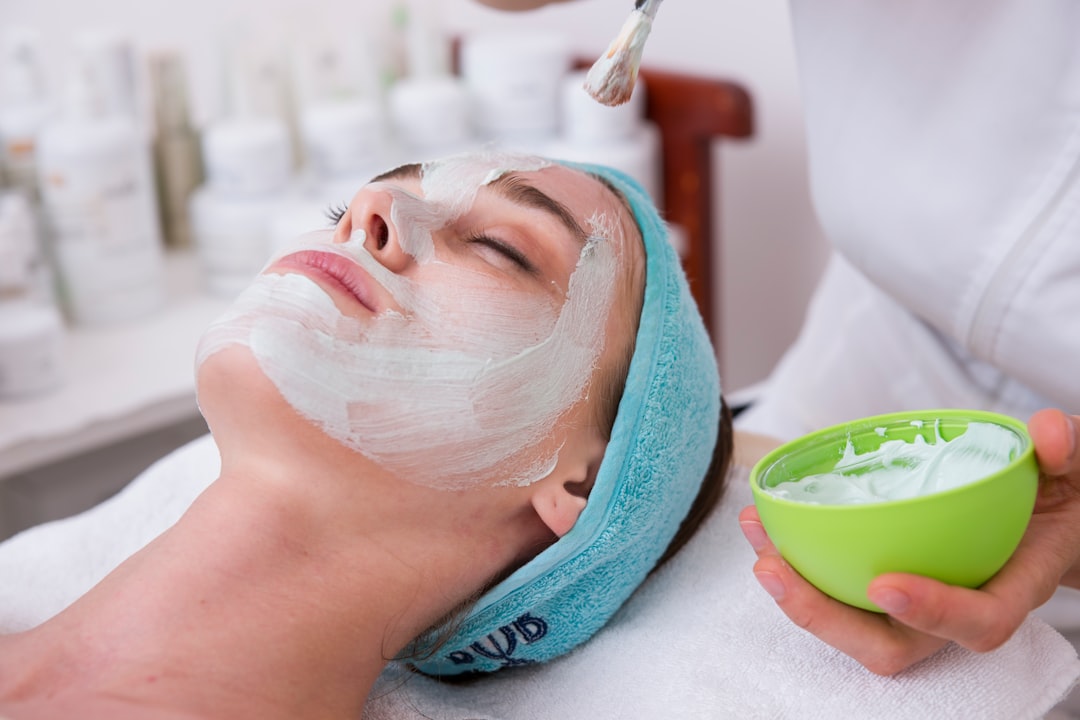
A chemical peel solution being applied before the exfoliation process begins. (Photo: engin akyurt / Unsplash)
Chemical Peel Cost in San Francisco
Pricing depends on depth, acid strength, and practitioner credentials. Here's what to expect around SF:
- Superficial peels: $75-250 per session. Chain spas and esthetician studios charge $75-150; medical spas and dermatology offices charge $150-250 for the same treatment because they're using higher-grade acids and more experienced staff.
- Medium peels (TCA, Jessner's): $300-800 per session, almost always performed by a licensed medical aesthetician, nurse practitioner, or dermatologist.
- Deep peels (phenol): $2,000-5,000, requiring sedation and typically only available through dermatology or plastic surgery practices, not day spas.
At Aesthetic OOGII, the Chemical Peel Treatments package starts at $110+ for a single session, with a 3-session package priced below the cost of three individual visits. A single session gives you a nice glow and lets you gauge how your skin reacts, but a course of 3 or more sessions is what actually shifts pigmentation, texture, and fine lines in a way you'll notice weeks later. If you're comparing peels against other resurfacing options before booking, the anti-aging treatments guide lines up peels against microneedling and IPL side by side.
Recovery Timeline: Day-by-Day Checklist
Recovery looks very different depending on peel depth. Here's what to expect for a medium-depth TCA peel, the most common "real" peel booked for pigmentation and texture concerns:
- Day 0 (treatment day): Skin is red and feels tight, like a sunburn. Avoid touching your face; apply the recovery balm your practitioner sends you home with.
- Days 1-2: Redness deepens, skin feels stiff. No makeup. Keep skin hydrated with a bland moisturizer, no actives.
- Days 3-5: Visible peeling begins in sheets, usually starting around the mouth and jawline. Resist picking. Let flaking skin come off on its own in the shower.
- Days 5-7: Peeling finishes. Skin underneath looks pink and slightly shiny. Light makeup is usually fine by day 6 or 7.
- Weeks 2-4: Redness fades, texture and tone visibly improve. This is when most people notice the "before and after" difference. Strict SPF is non-negotiable during this window since new skin is highly sun-sensitive.
Superficial peels compress this whole timeline into 2-3 days of light flaking with no real downtime. Deep peels stretch it to 10-14 days of raw, oozing skin plus a longer sun-protection window. Whatever the depth, sunscreen for at least 4 weeks after any peel isn't optional. Skipping it risks undoing the pigment-fading benefit you just paid for, since new skin burns and discolors far more easily than skin that hasn't been freshly exfoliated.
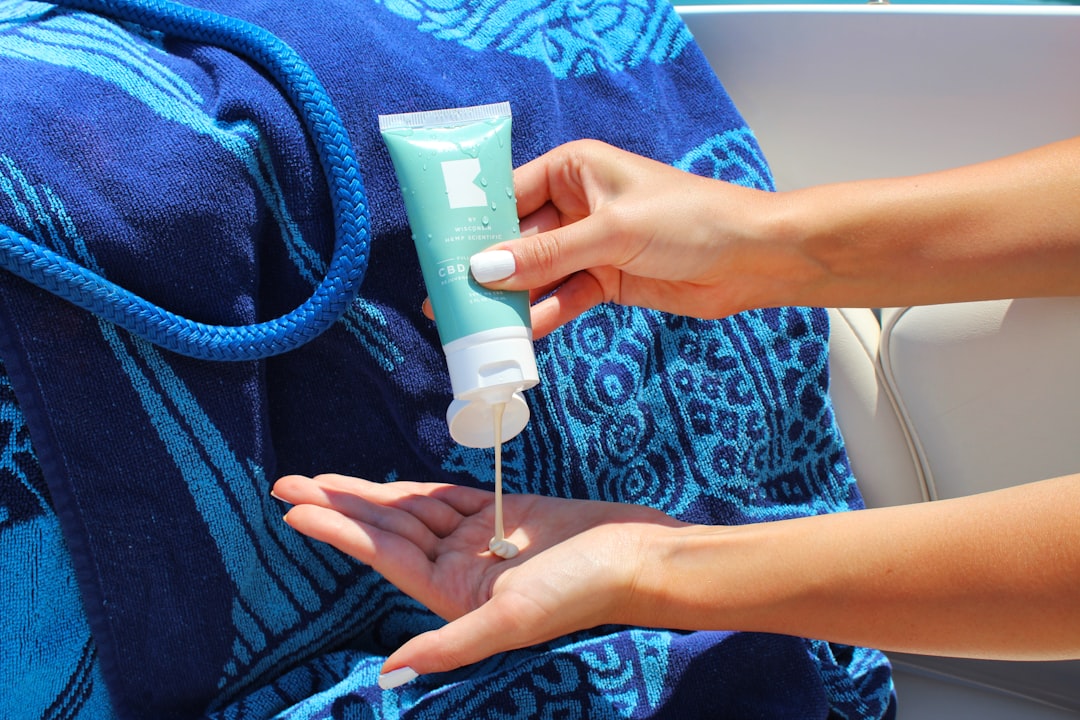
Daily SPF is the single most important step in post-peel recovery. (Photo: BATCH by Wisconsin Hemp Scientific / Unsplash)
What Chemical Peels Treat (and What They Don't)
Peels are excellent for problems caused by sun exposure, aging, and acne. Specifically, they perform well on:
- Hyperpigmentation: sunspots, age spots, melasma, and post-acne dark marks. Medium TCA peels show the fastest visible fading.
- Fine lines: peels stimulate collagen as skin heals, softening shallow creases around the eyes and mouth.
- Active acne: salicylic acid peels dissolve the oil and debris clogging pores, reducing breakouts over a series of sessions.
- Shallow acne scars: boxcar and rolling scars soften with 3-5 medium TCA sessions spaced 6-8 weeks apart.
- Rough texture and dullness: a series of glycolic or lactic peels smooths texture and shrinks the appearance of pores.
What peels don't fix: active rosacea (acid can trigger a flare-up), deep static wrinkles (better addressed with lasers or injectables), sagging skin (peels refresh texture, not structure), deep ice-pick scars (better paired with microneedling or subcision), and raised keloid scars (these need steroid injections, not acid). If your skin has more than one concern, a combination plan, say a medium peel for pigmentation alongside a separate treatment for texture, usually outperforms trying to solve everything with one peel type.
Choosing the Right Peel Depth for Your Skin
Start by matching your goal to a depth, not a brand name or acid you saw on social media:
- Want a quick glow before an event with zero downtime? Choose a superficial glycolic or lactic peel. Book it the week before, not the day before, in case of unexpected flaking.
- Dealing with active breakouts or clogged pores? Choose a salicylic acid superficial peel, ideally as part of a series every 3-4 weeks.
- Fighting sun spots, melasma, or moderate texture issues? Choose a medium TCA peel, and clear a week where you can skip makeup and public plans.
- Have deep wrinkles or severe sun damage? A deep phenol peel may help, but consult a dermatologist first since this isn't offered at most aesthetic studios.
Skin tone also matters. Deeper skin tones carry a higher risk of post-inflammatory hyperpigmentation from medium and deep peels, so a qualified practitioner will often start conservative, testing with a milder acid before stepping up strength. A proper consultation should always include a look at your skin history, current products (retinoids and exfoliating acids need to pause beforehand), and how your skin has reacted to peels or other actives in the past.
Frequently Asked Questions
How many sessions of chemical peels do I need to see results?
For superficial peels, plan on 4-6 sessions spaced 2-4 weeks apart before judging results, since each treatment removes only the outermost dead cells. Medium TCA peels show noticeable change after just one session, but most people book 1-2 sessions per year for maintenance once the initial concern is addressed.
Is a chemical peel painful?
Superficial peels feel like mild tingling or warmth, similar to a light sunburn starting. Medium peels sting more during application and some people compare the sensation to a bad sunburn for the first hour or two. Deep peels require sedation because the discomfort is significant.
Can I wear makeup after a chemical peel?
After a superficial peel, most people can wear light makeup the same day or the next. After a medium peel, plan to skip makeup for 2-3 days minimum, and often longer until visible flaking finishes around day 5-7.
How long until I see chemical peel results?
Superficial peel glow is visible within a day or two of the flaking settling. Medium peel improvements in pigmentation and texture usually become clear at the 2-4 week mark, once new skin has fully replaced the peeled layer.
Are chemical peels safe for darker skin tones?
Yes, with the right approach. Deeper skin tones have a higher risk of post-inflammatory hyperpigmentation from aggressive peels, so a qualified practitioner typically starts with a milder acid and lower concentration, then adjusts based on how the skin responds.
Updated 2026 Pricing at Aesthetic OOGII
A quick correction on the numbers above: our current Chemical Peel Treatment is priced at $300 for a single 60-minute session, with a 3-session package at $600, which works out to $200 per visit when you commit to a course. That's the accurate, bookable price as of this update, and it reflects a medical-spa-grade peel with a licensed aesthetician doing the application and follow-up guidance, not a bare esthetician-studio version.
We still recommend the 3-session package for anyone targeting pigmentation, texture, or acne marks rather than just a one-off refresh. A single session gives you a preview of how your skin responds and a nice glow for an event, but the tone-evening and scar-softening changes people actually notice in photos build over a series spaced a few weeks apart. If you're weighing a peel against a gentler resurfacing option first, our HydraFacial vs. chemical peel comparison breaks down which one fits dull, sensitive, or acne-prone skin better before you commit to a course.
One more note on sequencing: if active breakouts are part of what you're treating, book a skin consultation first. We often start clients on a calming protocol before layering in acid-based exfoliation, since peeling over active inflammation can prolong redness rather than shorten it.