
HydraFacial vs Chemical Peel: Which Is Right for Dull Skin?
HydraFacial and chemical peels both fight dull skin, but differently. Compare cost, downtime, and results to pick the right one for you.
Why Skin Looks Dull in the First Place
Dull skin isn't one thing. It's usually a mix of dead skin cell buildup, dehydration, slowed cell turnover, and sun or pollution damage that flattens the way light bounces off your face. San Francisco's fog and wind don't help either; the constant moisture-then-dryness cycle strips the skin barrier faster than a drier climate would. By your late 20s, natural cell turnover slows from roughly every 28 days to closer to 45-60 days, which means dead cells sit on the surface longer and light scatters instead of reflecting evenly.
Two treatments come up constantly when clients ask how to fix this: HydraFacial and chemical peels. Both work by removing that top layer of dead cells, but they get there through completely different mechanisms, and that difference matters for who should pick which one. HydraFacial uses a vortex suction device with fluid infusion. A chemical peel uses acid to dissolve the bonds holding dead cells together. Neither is "better" across the board. Each wins for a specific skin type, timeline, and budget.
We treat both at our San Francisco studio, and this guide breaks down exactly how they compare so you're not guessing which one solves your specific version of dull skin. If you already know you want a deeper, more corrective treatment, jump to the cost section below. If you're not sure, the mechanism breakdown will make the choice obvious.
How Each Treatment Actually Works
A HydraFacial uses a handheld device that combines gentle suction with a simultaneous flow of cleansing, exfoliating, and hydrating solutions. It's a three-step process: cleanse and peel with a mild acid solution, extract congestion with painless suction, then infuse the skin with antioxidants, peptides, and hyaluronic acid. There's no downtime because the device never damages the skin barrier, it just clears it out and floods it with hydration in the same pass.
A chemical peel works differently. An acid solution, glycolic, salicylic, or TCA depending on strength, is applied to the skin for a set number of minutes to deliberately dissolve the bonds between dead skin cells. Light peels affect only the outermost layer and cause mild flaking. Medium peels reach into the upper dermis and trigger visible peeling for 3-7 days. The skin's healing response after a peel is what drives the more dramatic results: as new skin forms underneath, it often looks noticeably more even in tone and texture than before.
- HydraFacial: Hydrating, extraction-focused, zero downtime, immediate glow
- Chemical peel: Exfoliation-focused, corrective, downtime scales with depth, delayed but deeper results
- Shared goal: Both remove the dead cell layer causing light to scatter unevenly across your skin
This is the core tradeoff: HydraFacial gives you an immediate, comfortable glow with no recovery. A peel asks for a few days of visible peeling in exchange for a deeper correction of tone, texture, and sometimes pigment.
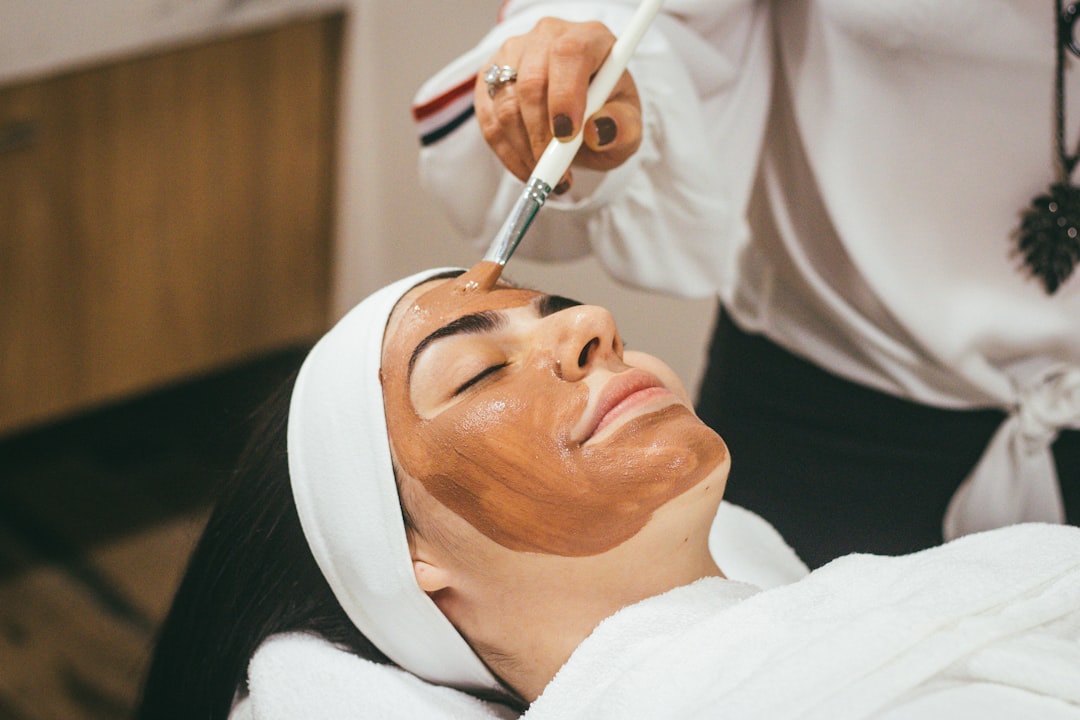
HydraFacial's suction-and-infusion process delivers hydration with zero downtime, ideal before an event.
Which One Fits Your Skin and Your Timeline
The honest answer is that "best for dull skin" depends on what's causing the dullness and how much time you have before you need results. Here's how to sort yourself into the right camp:
- Choose HydraFacial if: You have an event this weekend, your skin is dehydrated rather than heavily textured, you have sensitive or rosacea-prone skin that reacts badly to acids, or you want a treatment you can repeat monthly with zero disruption to your routine.
- Choose a chemical peel if: You're dealing with post-acne marks, sun spots, or rough texture that hydration alone won't fix, you can plan around 3-7 days of visible peeling, and you want a treatment that produces a more dramatic before-and-after over a series of sessions.
- Combine both if: Many of our San Francisco clients alternate: a light peel every 4-6 weeks for correction, with HydraFacial sessions in between for maintenance and glow before social events or photos.
Skin type matters here too. Oily and thicker skin generally tolerates peels well and sees dramatic pore and texture improvement. Thin, sensitive, or already-compromised skin barriers (think: over-exfoliated skin, active eczema, or rosacea) usually do better starting with HydraFacial until the barrier is more resilient. If you're not sure which category you fall into, that's exactly the kind of thing a consultation before booking either treatment should cover, since going in blind on peel depth is how people end up with more irritation than they bargained for.
Cost, Downtime, and Sessions Needed in San Francisco
Pricing varies by provider and treatment depth, but here's what to expect at a San Francisco med spa:
- HydraFacial: Typically $150-$300 per session depending on add-ons like LED therapy or booster serums. No downtime, so you can book it on a lunch break and return to work immediately.
- Chemical peel: Ranges from $110 for a light glycolic peel up to $300+ for a medium-depth TCA peel. Our chemical peel guide breaks down pricing by peel type in more detail. Downtime runs anywhere from zero (very light peels) to 5-7 days of visible peeling for medium-depth peels.
On sessions: HydraFacial results are visible immediately but fade within 1-2 weeks, so most people book monthly for sustained results. Chemical peels build cumulatively. A series of 3-6 peels spaced 3-4 weeks apart produces meaningfully better results than a single session, especially for pigment and texture concerns. If your dullness comes with visible sun damage or acne scarring, budgeting for a series matters more than picking the "stronger" single treatment.
One thing we tell every client during a consult: skip both if your skin is currently sunburned, actively broken out with cystic acne, or you've used a retinoid in the last 3-5 days. Both treatments increase sensitivity, and doing either on compromised skin barrier makes irritation more likely, not less. You can see our full pricing and package options for both treatments, along with everything else we offer, on our treatment menu.
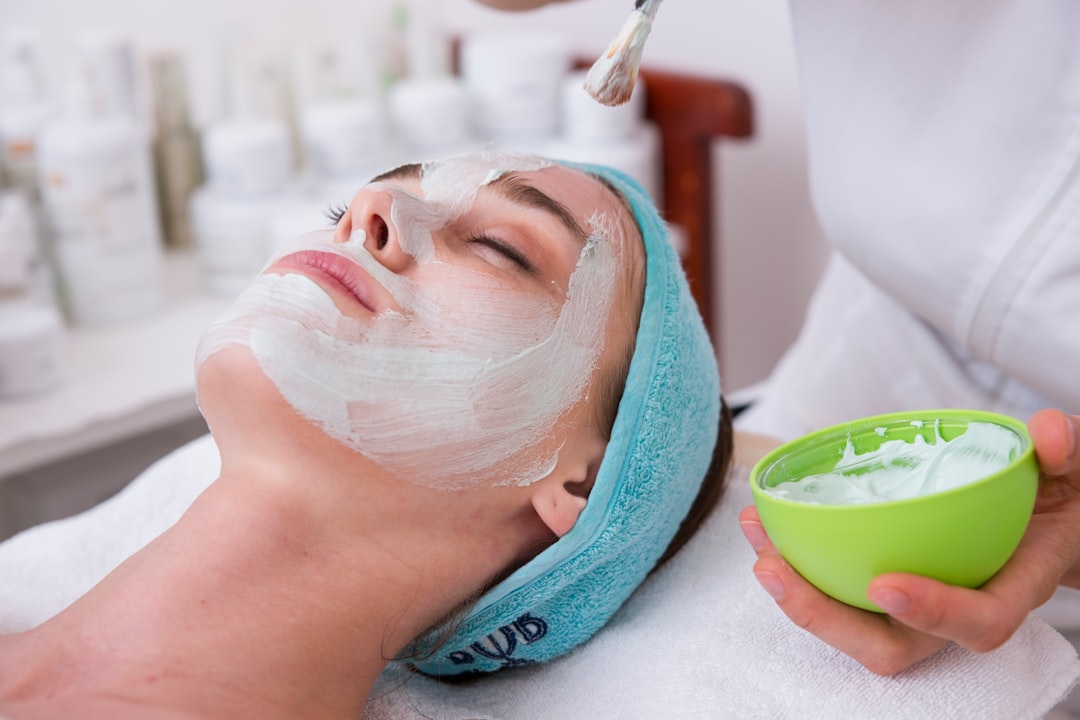
Chemical peels use acid to trigger deeper skin renewal, producing more dramatic results over a series of sessions.
What Aftercare Looks Like for Each
Aftercare is where the two treatments really diverge, and it's often the deciding factor for clients with busy schedules. After a HydraFacial, there's essentially nothing to do differently. Your skin might look slightly flushed for an hour, but you can wear makeup the same day, work out the next morning, and go about life as usual. Sunscreen is always recommended, but that's true whether you've had a treatment or not.
After a chemical peel, the routine changes for about a week. Skin will feel tight, look slightly darker or bronze-toned for a day or two (this is normal, it's called "frosting" resolving), then begin visibly flaking or peeling around day 3-5. During this window, we tell clients to skip retinoids, avoid direct sun exposure, hold off on other exfoliating products, and resist the urge to pick at peeling skin, since that can cause scarring or uneven pigmentation. A gentle, fragrance-free moisturizer and mineral SPF 30+ are non-negotiable during recovery.
If you want the full aftercare breakdown, including day-by-day care instructions and product recommendations, we've covered it in depth in our guide on post-treatment skin recovery. The short version: HydraFacial fits into any schedule with zero adjustment, while a peel needs about a week where you're a little more careful with your skin.
Frequently Asked Questions
Can I get a HydraFacial and a chemical peel in the same week?
We don't recommend stacking them back to back. Both treatments exfoliate the skin, and doing both within the same week can over-strip the barrier and cause irritation, redness, or sensitivity. Space them at least 2 weeks apart, and let your skin fully recover from any peel-related flaking before adding another exfoliating treatment.
Which treatment is better for acne scars?
Chemical peels generally outperform HydraFacial for acne scarring, especially TCA or stronger glycolic formulations used in a series. HydraFacial helps with active congestion and can improve overall texture, but it doesn't penetrate deeply enough to meaningfully resurface scar tissue the way a peel does.
Does HydraFacial help with dullness caused by dehydration specifically?
Yes, this is exactly the scenario HydraFacial is built for. The hyaluronic acid and antioxidant infusion step directly addresses dehydration, which is a common and often overlooked cause of dull-looking skin in dry or windy climates like San Francisco.
How soon will I see results from a chemical peel?
Initial brightness appears within a few days as the frosted top layer sheds. The deeper correction, more even tone, smoother texture, softened marks, becomes visible over 1-2 weeks as new skin cells fully surface, and continues improving with each session in a series.
Is one treatment cheaper long-term?
It depends on frequency. HydraFacial run monthly for maintenance can add up over a year, while a peel series (typically 3-6 sessions total) front-loads the cost but often needs fewer touch-up sessions afterward if the goal is correction rather than ongoing glow maintenance.