
Esthetician Near You in SF: Korean Clinic Guide
What to look for in an esthetician near you, and why Union Square's Korean-technique clinics deliver more than a traditional day spa facial.
Why "Esthetician Near Me" Isn't the Only Search That Matters
If you've typed "esthetician near me" or "korean clinic near me" into Google, you're probably picturing a straightforward search: a map, a few pins, and a clear winner. In practice, those local map results shift constantly based on your exact location, time of day, and even what device you're using. A studio can hold the top spot one week and drop to the fourth pin the next without changing anything about the business itself. That's normal, and it's not a sign the business got worse.
What actually matters more than a temporary map ranking is what you find once you click through. Is the esthetician licensed? Does the clinic specialize in techniques you actually want, or is it a generic facial menu copied from every other spa in the neighborhood? In San Francisco's Union Square, Aesthetic OOGII is run by Oogii, a Certified Medical & Clinical Aesthetician who trained specifically in Korean skincare techniques, a distinction that matters a lot more than whichever pin Google decided to show first today.
Korean skincare technique is built around layering, gentle but frequent exfoliation, and treatments that build results over a series of visits rather than promising a one-time miracle. That's a different philosophy than the "one deep peel and you're done" approach common at traditional Western spas. If you're deciding between the two, it helps to understand what actually separates a Korean-technique clinic from the esthetician down the block.
What Makes a Korean Clinic Different From a Standard Esthetician
Not every "esthetician near me" search leads to the same kind of clinic. Here's what typically separates a Korean-technique studio from a general spa:
- Layered, gentler actives: Korean protocols favor lower-concentration acids applied more frequently rather than one aggressive treatment, which usually means less redness and less downtime per visit.
- Device-led facials: many Korean clinics build their menu around technology like Botinal facials or Frio lifting devices, rather than relying only on hand techniques.
- Skin barrier focus: Korean skincare philosophy treats the skin barrier as the foundation. Treatments are sequenced to hydrate and strengthen before addressing pigmentation or texture.
- Series-based results: rather than a single dramatic session, most Korean-technique treatments are booked in a series of 3-6 visits spaced a few weeks apart.
A standard esthetician near you might offer a solid basic facial, but if you're specifically searching for a Korean clinic, you're likely looking for these more specific protocols. The full treatment menu at Aesthetic OOGII lists exactly which services fall into each category, so you can compare before booking rather than guessing from a map listing alone.
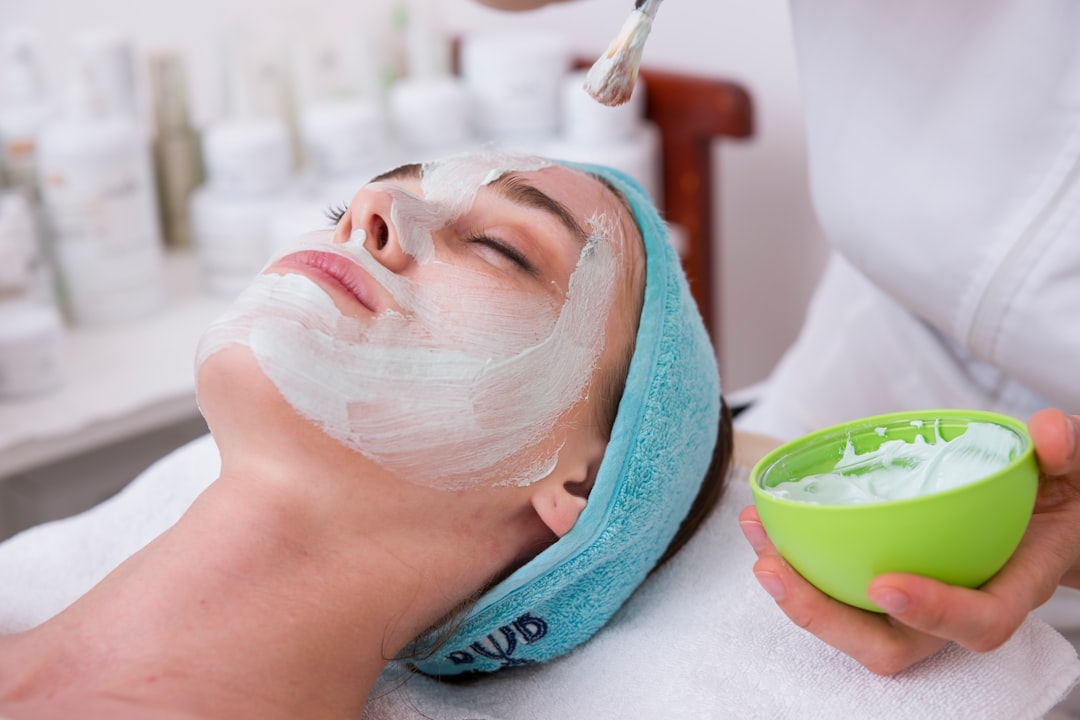
Korean-technique facials build results through layered, gentler sessions rather than one aggressive treatment.
What to Actually Check Before Booking an Esthetician Near You
Map rankings change too often to rely on. Instead, check these five things before you book:
- License and certification: ask whether the esthetician holds a state license and any additional medical or clinical aesthetics certification. A Certified Medical & Clinical Aesthetician has training beyond a standard cosmetology esthetics license.
- Specific technique training: if you want Korean-style treatments, ask directly whether the esthetician trained in Korea or under Korean-trained practitioners, and which devices or protocols they use.
- Consultation before treatment: a good clinic will ask about your skin history, current products, and any retinoids or exfoliating acids you use before recommending a treatment plan, not just upsell the most expensive package.
- Recent reviews mentioning results, not just atmosphere: reviews that describe specific outcomes (cleared breakouts, faded pigmentation after X sessions) tell you more than reviews that only praise the waiting room.
- Series pricing transparency: Korean-technique treatments are usually sold in packages of 3-6 sessions. A clinic should be upfront about total series cost, not just the per-visit price.
These five checks matter more than whatever position a business happens to occupy in Google's local pack this week, since that position is influenced by proximity to your exact location and search history, not by treatment quality.
Popular Korean-Technique Treatments to Ask About
If you're comparing clinics after searching "korean clinic near me," these are the treatments worth asking specifically about, since they're the ones that separate a Korean-technique studio from a generic facial menu:
- Botinal facial: a Korean anti-aging treatment often compared to Botox for smoothing fine lines without injections. Our Botinal facial guide breaks down cost and how many sessions most people need.
- HydraFacial: a device-led hydradermabrasion treatment that pairs well with Korean layering philosophy since it hydrates the barrier before addressing deeper concerns. Details are in our HydraFacial guide.
- Frio lifting: cold-therapy based non-invasive lifting, popular in Korean clinics as a gentler alternative to more invasive lifting procedures.
- Chemical peels at lower concentrations: Korean protocols tend to favor more frequent, lower-strength peels over one aggressive treatment. Our chemical peel guide covers concentration differences.
At Aesthetic OOGII in Union Square, these treatments (and the full combination menu) are listed with pricing on the treatment menu page, so you can compare cost per session and typical series length before your first visit.
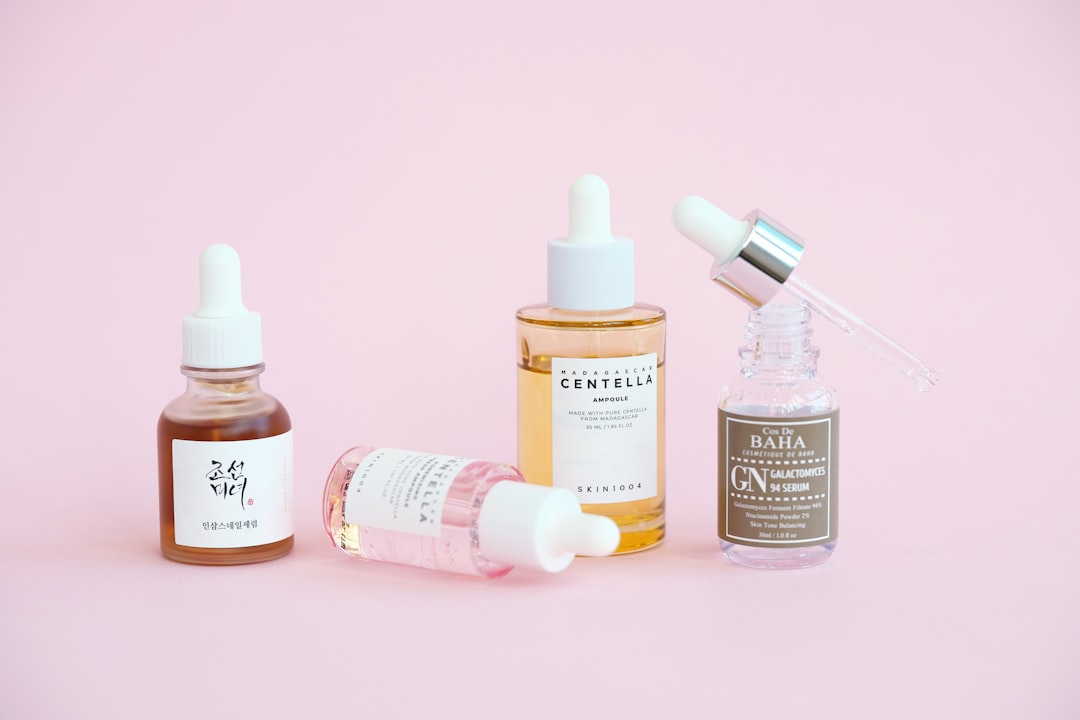
Layered, lower-concentration actives are a hallmark of Korean skincare philosophy, both in-clinic and at home.
Where Aesthetic OOGII Fits in Union Square
Aesthetic OOGII sits in Union Square, walkable from Powell Street BART and most downtown SF hotels, which makes it a practical stop whether you live nearby or you're crossing the bay for a specific treatment. Oogii, the studio's Certified Medical & Clinical Aesthetician, built the clinic's approach around Korean technique specifically because it fits the way most people actually want to treat their skin: steadily, with visible progress each visit rather than one dramatic (and often more irritating) session.
You can read more about her background and training on the studio's profile page, which covers her certifications and the philosophy behind the treatment menu. It's worth reading before you book anywhere, whether that's with us or another esthetician, so you know what questions to ask.
For clients coming from Berkeley or Oakland, we've also put together a Bay Area guide comparing what's available locally versus what makes the trip into the city worth it. The short version: technique and certification matter more than distance, and a 20-minute BART ride is a reasonable trade for the right treatment plan.
Frequently Asked Questions
Why did a clinic that used to rank #1 for "esthetician near me" drop in Google's local results?
Local map rankings shift based on your exact location, search history, time of day, and Google's ongoing algorithm changes, not just on the quality of the business. A clinic can lose or regain a top spot within days without any change in service. If you're comparing options, don't treat the local pack order as a quality signal; check licensing, technique training, and recent reviews instead.
What's the difference between an esthetician and a Korean clinic?
"Esthetician" describes a licensed professional who performs skin treatments. "Korean clinic" describes a specific treatment philosophy, layered, gentler, device-supported, and series-based, that a licensed esthetician may or may not practice. Every Korean clinic employs estheticians, but not every esthetician practices Korean technique.
How many sessions does a typical Korean-technique treatment series require?
Most Korean-technique treatments, from Botinal facials to lower-concentration peels, are sold in series of 3 to 6 sessions spaced two to four weeks apart. This spacing lets skin recover between visits while building cumulative results, rather than relying on one intense session.
Do I need to travel into SF if I'm in Berkeley or Oakland?
Not always, but for specialized Korean technique and certified medical aesthetics training, many Bay Area clients find the trip worthwhile. Aesthetic OOGII is a short BART ride from both Berkeley and Oakland, and our Bay Area guide covers the trade-offs in more detail.
How do I book a consultation?
You can review the full list of treatments and pricing on our treatment menu, then book directly from there. Most first visits start with a short consultation about skin history and goals before any treatment begins.
About the author
Oogii
Certified Medical & Clinical Aesthetician, Aesthetic OOGII
Certified medical and clinical aesthetician, owner of Aesthetic OOGII, a clinical skincare and medical aesthetics practice at 450 Sutter St in downtown San Francisco.