
Cystic & Hormonal Acne Treatment in San Francisco
Cystic and hormonal acne don't respond to drugstore fixes. Here's how clinical acne treatment in San Francisco differs, what it costs, and what actually works.
Why Cystic and Hormonal Acne Need a Different Approach
If you're dealing with deep, painful bumps along your jawline that show up like clockwork every month, you're not dealing with regular acne. Cystic and hormonal acne form under the skin, not on top of it. That's why the salicylic acid cleanser that clears your friend's blackheads does almost nothing for the tender nodules that flare around your chin and jaw.
Hormonal acne is driven by fluctuations in androgens, the hormones that ramp up oil production in your skin's sebaceous glands. When oil production spikes, it mixes with dead skin cells and bacteria and gets trapped deep in the follicle. The result is a cyst: a swollen, often painful lump that sits below the surface where topical treatments can't reach it well. Regular acne responds to surface-level exfoliation. Cystic acne needs something that works underneath the skin, not just on it.
This is why so many people spend years cycling through drugstore products without real change. It's not that those products don't work at all. It's that they're built for a different kind of acne. Cystic and hormonal breakouts usually cluster along the jawline, chin, and lower cheeks, following the pattern of hormone-sensitive skin. If your breakouts show up in that exact zone and seem to worsen around your cycle, stress, or diet shifts, you're looking at a hormonal pattern that needs a clinical treatment plan, not another cleanser.
At Aesthetic OOGII in Union Square, we see this pattern constantly with San Francisco clients who've already tried the over-the-counter route. The good news: cystic and hormonal acne is very treatable with the right combination of professional extraction, targeted actives, and a session cadence that matches how your skin actually cycles.
What Clinical Acne Treatment Actually Involves
Our Acne Treatment is a 75-minute clinical session built specifically for active breakouts, not general skin maintenance. It starts with a deep skin analysis to map out where your congestion sits: superficial comedones versus deeper cystic nodules need different pressure and different tools. From there we move into professional extractions, which safely clear out blocked follicles that at-home picking only makes worse (and often scars).
After extractions, we apply targeted actives chosen for your specific breakout pattern, things like antibacterial and anti-inflammatory ingredients that calm active cysts and reduce the redness and swelling that make hormonal acne so uncomfortable. The session wraps with calming and barrier-supporting steps so you're not walking out red and irritated.
A single session runs $210. But cystic and hormonal acne rarely resolves in one visit, because it's tied to an ongoing hormone cycle, not a one-time breakout. That's why we offer a 3-session package at $525 and a 6-session package at $925, spaced to track your skin through at least one full hormonal cycle. Clients dealing with true cystic or hormonal patterns almost always see better, more lasting results on the 6-session plan, since it gives us time to treat breakouts as they form rather than chasing them after the fact.
Some clients pair acne treatment with a Microneedle Treatment with skin growth factors once active breakouts have calmed, to help fade the post-inflammatory marks cystic acne tends to leave behind. We'll walk you through whether that combination makes sense once we see how your skin responds to the initial sessions.
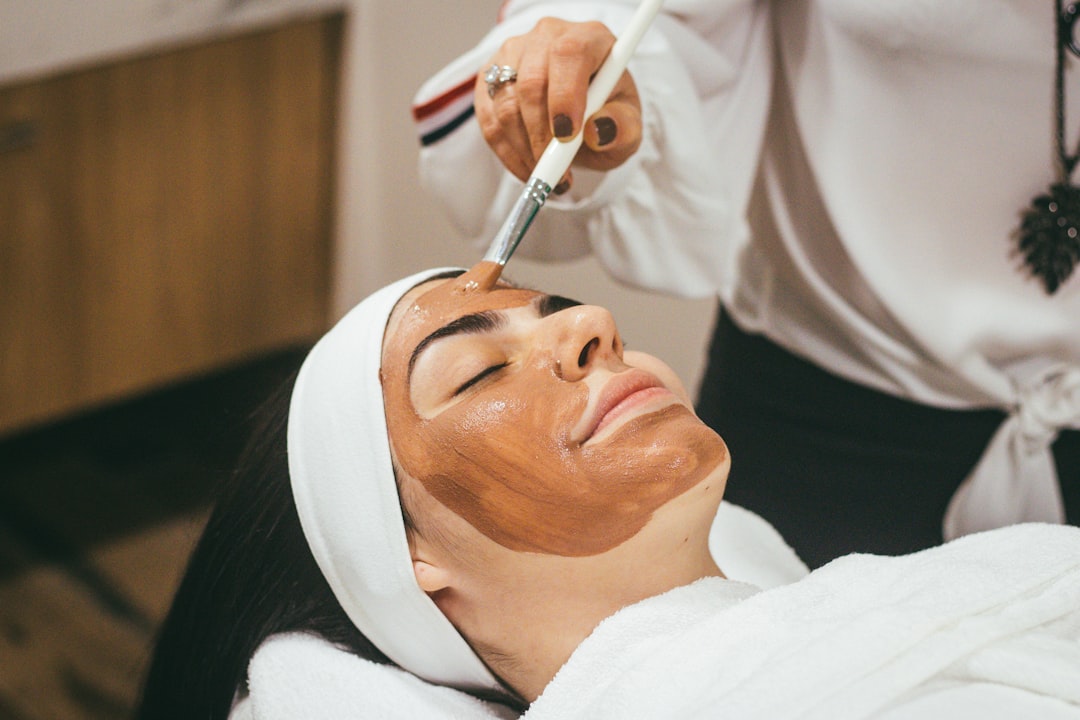
Professional extraction and targeted actives reach the deep, hormone-driven breakouts that over-the-counter products can't.
Cystic Acne vs. Regular Acne: How to Tell the Difference
Not every breakout is cystic, and knowing the difference matters because the treatment plan changes completely. Here's how to spot which category you're actually dealing with:
- Regular acne (comedonal or mild inflammatory): Whiteheads, blackheads, and small red bumps that sit near the surface. Usually responds to consistent cleansing, exfoliation, and over-the-counter spot treatment within a few weeks.
- Cystic acne: Large, firm, painful lumps that sit deep under the skin. Often don't come to a head. Can last for weeks and frequently leave dark marks or scarring behind. Rarely responds to surface treatment alone.
- Hormonal acne: Follows a monthly pattern, tends to cluster on the jawline, chin, and lower cheeks, and often gets worse with stress, certain foods, or around your cycle. Can be comedonal, cystic, or both.
A simple test: press gently on the bump. If it's tender, deep, and doesn't have a visible whitehead, you're likely dealing with a cyst. If you've had three or more of these appear in the same general area over the past two months, that's a hormonal pattern, not a random breakout.
This distinction is exactly why generic acne advice online falls flat for so many people. Articles telling you to "just wash your face twice a day and stop touching it" are written for comedonal acne. If your skin is cystic or hormonal, that advice will not touch the root cause. You need extraction technique that can safely address a cyst without pushing bacteria deeper, plus actives that calm inflammation below the surface. That's a clinical skill set, not a shelf product.
What to Expect: Your First Few Sessions
The first session is mostly diagnostic. We'll look closely at where your breakouts sit, ask about your cycle and stress patterns, and check whether you're also dealing with post-acne marks or texture. Extractions in that first visit focus on what's safe to clear right away. Deep cysts sometimes need a session or two of calming treatment before extraction, since pulling on inflamed tissue too early can cause more scarring, not less.
By the second and third sessions, most clients notice fewer new cysts forming and faster resolution of the ones that do appear. This is the point where the 3-session package ($525) tends to show its value: it's enough time to see whether your skin is responding and to adjust the approach if a particular area (jawline versus cheeks, for example) needs more attention.
For genuinely hormonal patterns, meaning breakouts tied to your monthly cycle, we usually recommend the 6-session package ($925). That's because a single hormonal cycle is roughly four weeks, and one session can't cover a cyst that formed the week after your last visit. Spacing sessions across two to three cycles gives us a much clearer picture of your triggers and lets us treat breakouts as they're forming instead of after they've already scarred.
Most San Francisco clients see a meaningful drop in active breakouts by session four, with continued improvement in skin tone and texture through session six. If you're also dealing with acne scarring from years of untreated cystic breakouts, ask us about pairing your acne sessions with microneedling once your skin has calmed down. That combination is popular among clients who want to address both active acne and its aftermath in the same treatment plan.
Most clients notice fewer new cysts forming by session two or three of a treatment plan.
What About Combining Treatments? Chemical Peels and Acne
Clients frequently ask whether a chemical peel would work better or faster than the dedicated acne protocol. The honest answer: it depends on which type of acne you have. Our chemical peel treatments ($300/session) are excellent for surface-level congestion, uneven texture, and mild breakouts, since the acid exfoliates dead skin and unclogs pores at the surface.
But peels aren't built to address deep cystic nodules the way targeted extraction and anti-inflammatory actives are. In fact, an aggressive peel on actively inflamed cystic skin can sometimes make redness and irritation worse in the short term. For clients with a mixed picture, some surface congestion plus a few deeper cysts, we sometimes recommend starting with the dedicated Acne Treatment to calm the cystic component first, then introducing peels later as maintenance once the active breakouts are under control.
If you're unsure which category your skin falls into, that's exactly what the initial consultation is for. We'll look at your specific pattern before recommending a plan, rather than defaulting to whatever's trending. For a broader comparison of exfoliation-based options, our guide on HydraFacial vs. chemical peels breaks down how these two approaches differ for general skin concerns beyond acne specifically.
The bigger point: acne treatment isn't one-size-fits-all, and neither is our approach. What works for a college student with occasional breakouts is rarely what a 32-year-old with cyclical jawline cysts needs. That's why the first step is always assessment, not a default protocol.
Frequently Asked Questions
How long does it take to see results from cystic acne treatment?
Most clients notice fewer new cysts forming by their second or third session, roughly 4-6 weeks into a treatment plan. Since hormonal acne follows your monthly cycle, meaningful improvement usually takes at least one full cycle to show, which is why we recommend the 6-session package ($925) for true hormonal patterns rather than a single visit.
Is professional extraction safe for deep cystic acne?
Yes, when done by a trained clinical esthetician. Deep, inflamed cysts sometimes need a calming session before extraction is attempted, since pulling on actively inflamed tissue too early can push bacteria deeper and increase scarring risk. That's part of why the initial assessment matters: not every cyst is ready for extraction on day one.
Can hormonal acne be treated without medication?
Clinical treatment can significantly reduce the frequency and severity of hormonal breakouts through regular extraction, anti-inflammatory actives, and a session cadence timed to your cycle. Some clients combine this with dermatology-prescribed medication for more severe cases; our treatment isn't a replacement for a dermatologist when hormonal acne is tied to an underlying medical condition, but it's an effective standalone option for many people.
What's the difference between the 3-session and 6-session acne packages?
The 3-session package ($525) is a good starting point to see how your skin responds and works well for less severe or more sporadic breakouts. The 6-session package ($925) spans roughly two to three hormonal cycles, giving us time to treat cysts as they form and track patterns tied to your cycle, stress, or diet. Most clients with a true hormonal pattern get better long-term results from the 6-session plan.
Will acne treatment help with the dark marks cystic acne left behind?
The Acne Treatment itself focuses on active breakouts and inflammation, not existing pigmentation. Once your active acne has calmed, many clients add on microneedling with growth factors to help fade post-inflammatory marks and improve texture from past cystic breakouts. We'll typically wait until your active acne is under control before starting that combination.
Cystic Acne by the Numbers
- Cystic acne affects roughly 1 in 5 adults with acne, according to dermatology research, and it's the form most likely to cause permanent scarring if left untreated.
- Hormonal breakouts typically follow a 28-35 day cycle, which is why single-visit treatments rarely resolve them: one session can't cover a cyst that forms three weeks later.
- Clients on our 6-session package ($925) span roughly 2-3 hormonal cycles, giving us time to treat new cysts as they form instead of after they've scarred.
- A single Acne Treatment session runs 75 minutes and costs $210; the 3-session package is $525 (a $105 savings versus paying per visit).
These numbers matter because cystic and hormonal acne is a cycle-driven condition, not a single event. Tracking sessions against your actual hormonal cycle, rather than guessing at a fixed timeline, is what separates a clinical treatment plan from a one-off facial.